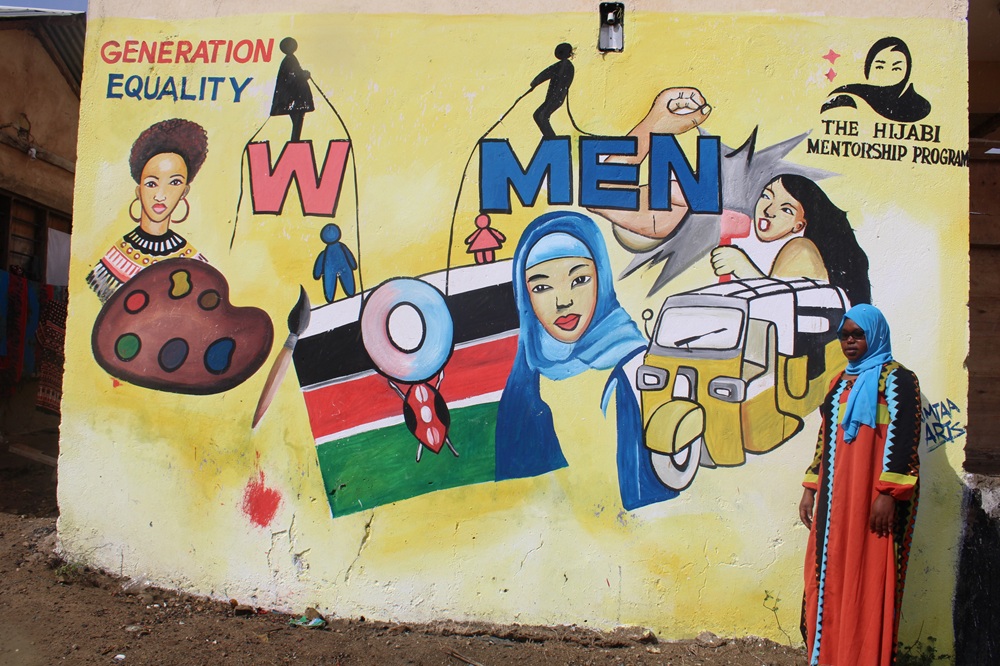
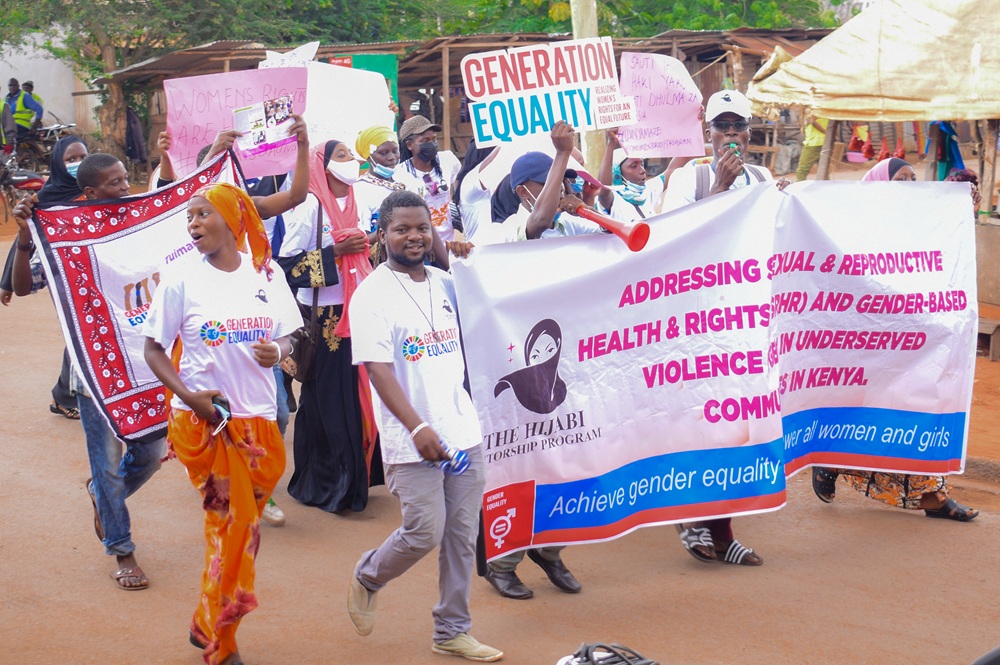
Supported by the Bill & Melinda Gates Foundation, the Hijabi Mentorship Program implemented the Generation Equality in Kwale initiative to advance Sexual and Reproductive Health and Rights (SRHR) and address Gender-Based Violence (GBV) in underserved communities across Kwale County.
Through community engagement, institutional strengthening, media advocacy, and strategic partnerships, the initiative contributed to increased awareness, improved coordination, and stronger community dialogue around SRHR and GBV.
MatugaKinangoLungalungaMsambweni
2,528
Community members reached
91
Community dialogues held
48
Social media engagements
250K+
Radio listeners reached
Key Milestones
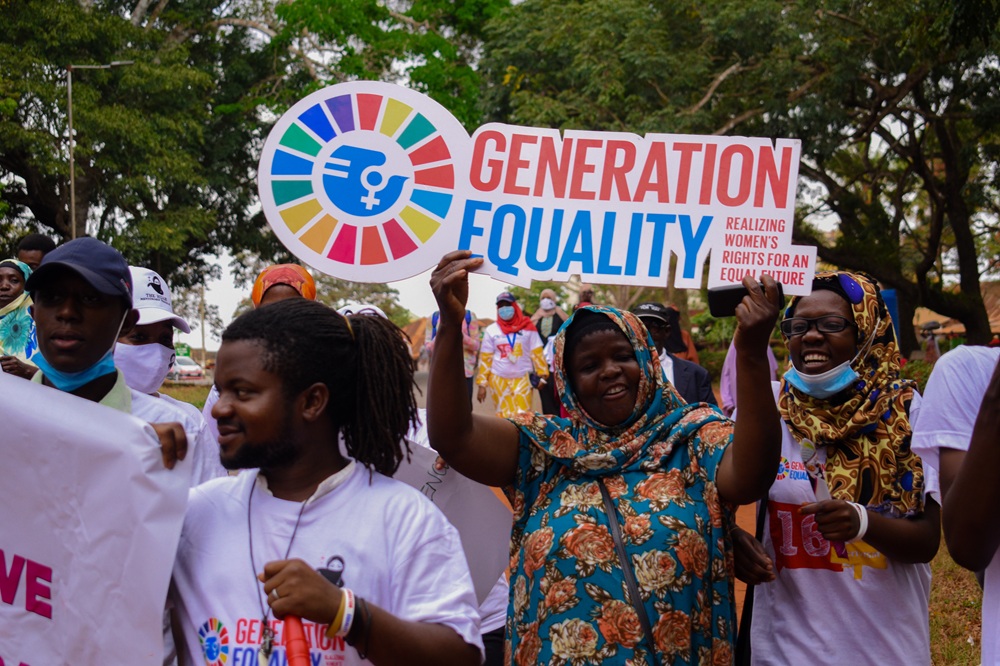
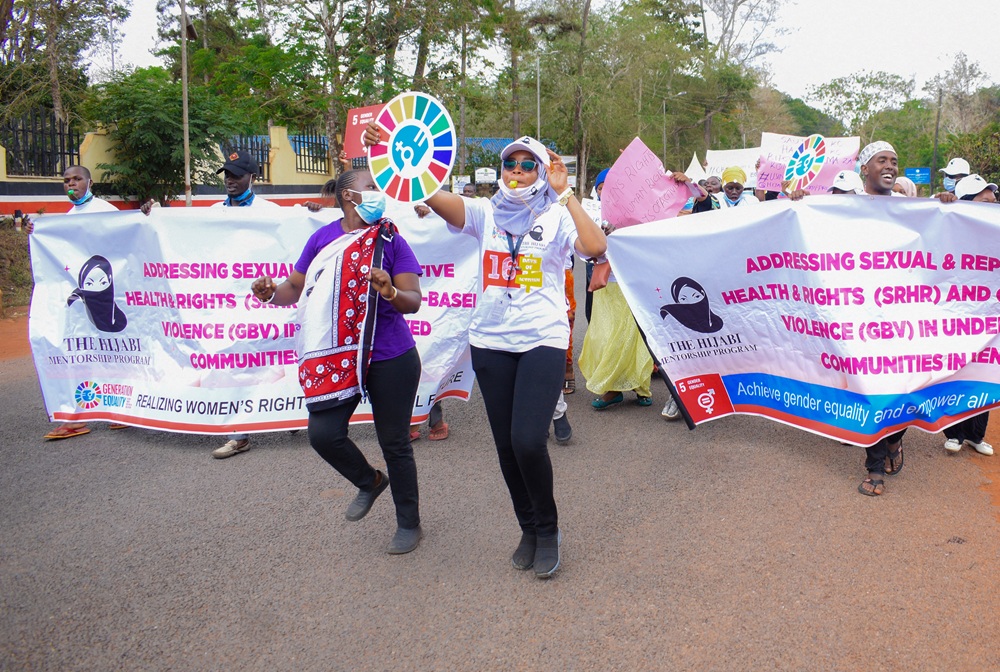
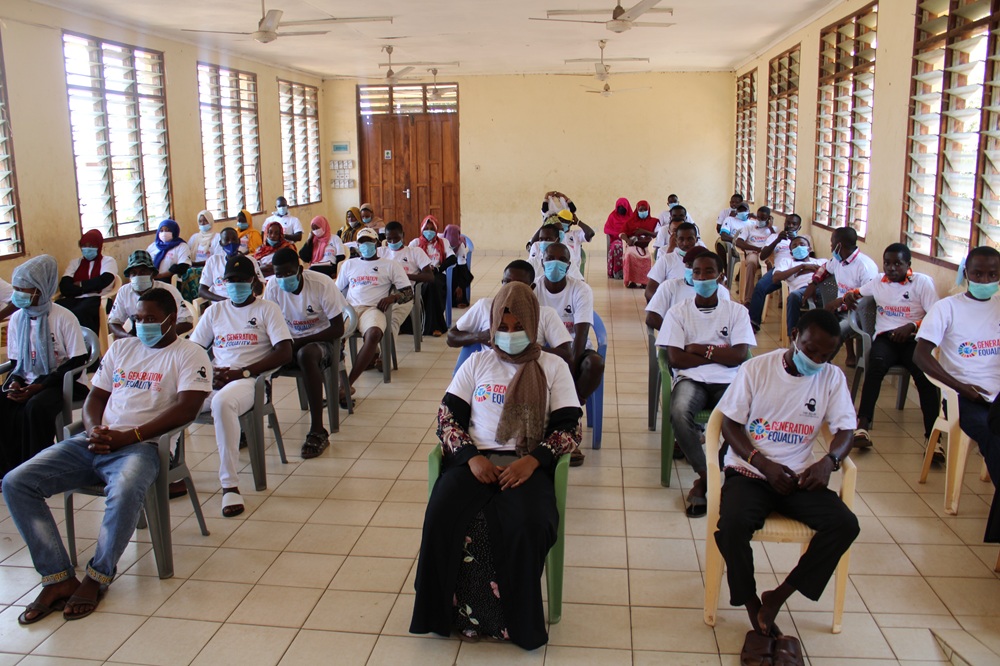
Reached 2,528 community members through 91 community dialogues across Kwale County, surpassing the original target.
Conducted 48 social media engagements, reaching over 56,576 people through Instagram Live sessions, Twitter chats, Facebook Live discussions, Zoom dialogues, and online advocacy campaigns.
Hosted radio talk shows on Radio Kaya and Radio Ranet, reaching an estimated audience of over 250,000 listeners across the Coast region with SRHR and GBV messaging.
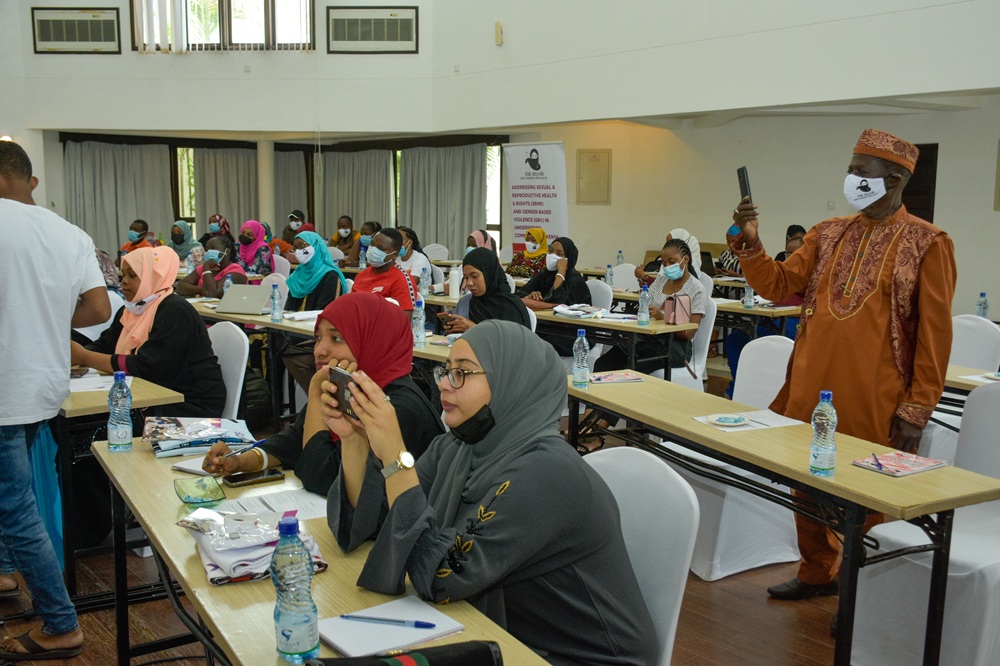
Trained 40 local administrators and frontline actors, including chiefs, police officers, public health officers, children's officers, and social service providers to strengthen survivor-centered response and referral systems.
Facilitated 10 stakeholder engagements involving county officials and community leaders to strengthen coordination, accountability, and dialogue on SRHR and GBV response mechanisms.
Established strategic partnerships with organisations including Federation of Women Lawyers Kenya, Addis Clinic, CREAW Kenya, and other regional actors working on women's rights and GBV prevention.
Co-founded the Coast Women Rights Movement, bringing together organisations across the six Coastal counties to collectively address GBV, women's leadership, human rights, and accountability.
Impact Metrics
Strengthened community awareness and confidence around SRHR and GBV:
Understanding of SRHR
Baseline
15%
Endline
33%
Understanding of GBV
Baseline
30%
Endline
55%
Conducted baseline and endline assessments that continue to inform THMP programming and serve as reference material for organisations working on SRHR and GBV in the region.
Strategic Contribution
The initiative contributed to shifting community conversations around SRHR and GBV in conservative settings, strengthening institutional response mechanisms, and expanding access to rights-based information and support services for women and girls in underserved communities.
Key Partners
Federation of Women Lawyers KenyaAddis ClinicCREAW KenyaCoast Women Rights Movement