About
About Us
Who We Are
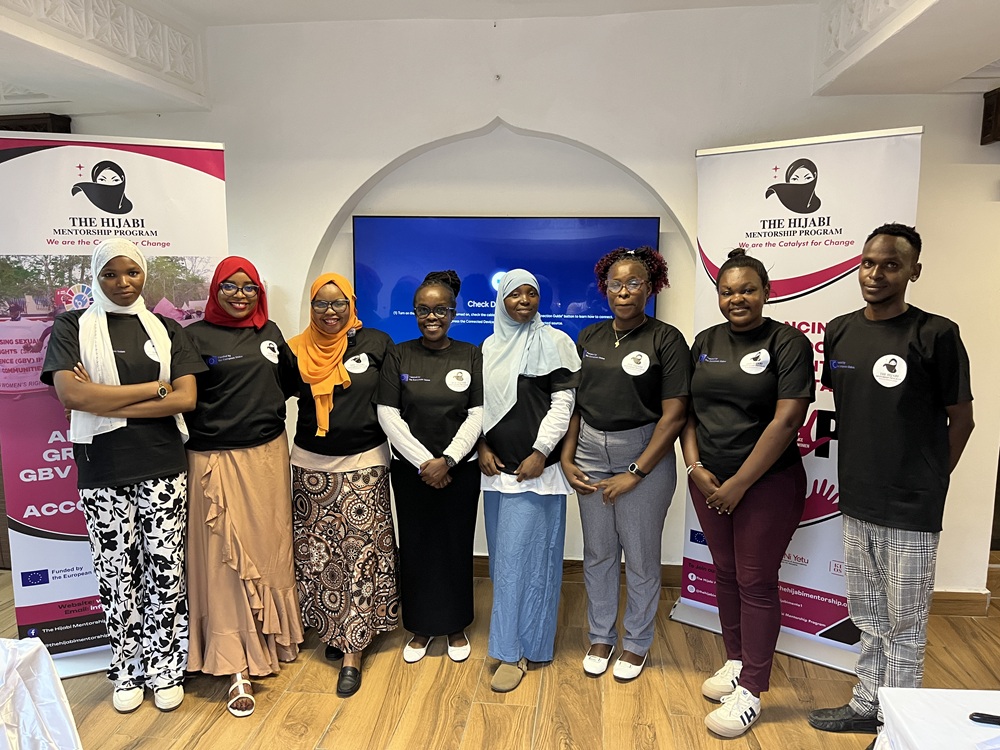
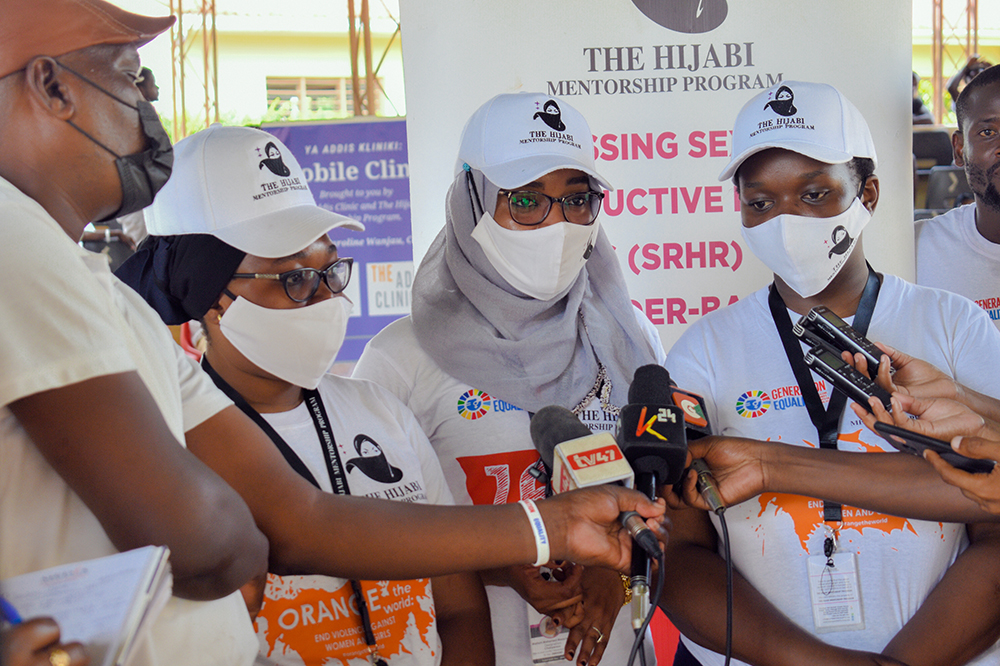
The Hijabi Mentorship Program (THMP) is a community-rooted, women-led organisation advancing justice, dignity, and choice for girls and women in coastal Kenya and beyond. Founded in 2018, we work at the intersection of sexual and reproductive health and rights (SRHR), gender-based violence (GBV) prevention and response, economic empowerment, and peacebuilding. Our work is grounded in the belief that faith and culture are not barriers to gender justice — but powerful entry points for change. We partner with communities, institutions, and movements to challenge harmful norms, strengthen systems, and support girls and women to exercise agency, leadership, and voice in their own lives and communities.
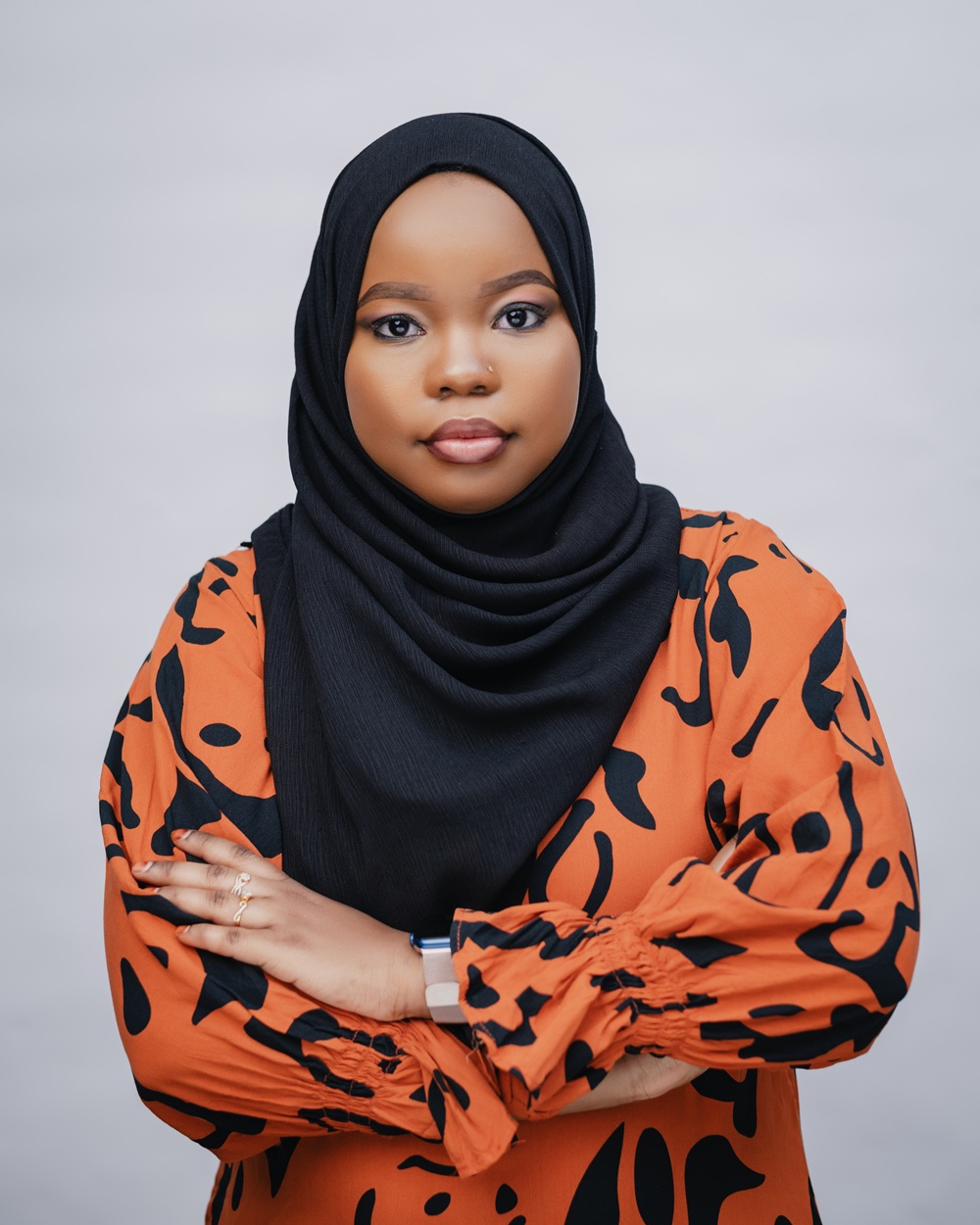
Meet Our Founder: Nimah N'zani Kassim
Nimah N’zani Kassim is a Kenyan gender equality advocate, strategic communications specialist, and public policy practitioner with over a decade of experience working at the intersection of Sexual and Reproductive Health and Rights (SRHR), Gender-Based Violence (GBV) prevention and response, women’s leadership, and community development. She founded the Hijabi Mentorship Program (THMP) in 2018 after witnessing the growing need for safe, community-rooted spaces for girls and women in underserved and conservative communities along Kenya’s Coast region, where many women and girls continue to face harmful cultural practices, limited opportunities, silence around SRHR, and barriers to justice and leadership. Inspired by the resilience of women in her own community and driven by a desire to create lasting, community-led change, she established THMP as a platform for mentorship, advocacy, healing, and empowerment.What started as a small mentorship initiative for girls and young women has since evolved into an award-winning grassroots organization implementing programs on SRHR, GBV prevention and response, economic empowerment, peacebuilding, youth leadership, and community advocacy across Kwale County and beyond. Nimah holds a Bachelor’s degree in Journalism with a specialization in Public Relations and Marketing from the United States International University-Africa, a Diploma in Broadcast Journalism from the Kenya Institute of Mass Communication, and is currently pursuing a Master’s degree in Public Policy and Management at Strathmore University, as well as an MSc in Sexual and Reproductive Health Policy and Programming at the London School of Hygiene & Tropical Medicine. Her work is grounded in survivor-centered advocacy, feminist leadership, strategic storytelling, and culturally responsive community engagement. She believes that sustainable change begins when women and girls are not only protected, but empowered to lead, influence systems, and shape the future of their communities.
Our Story
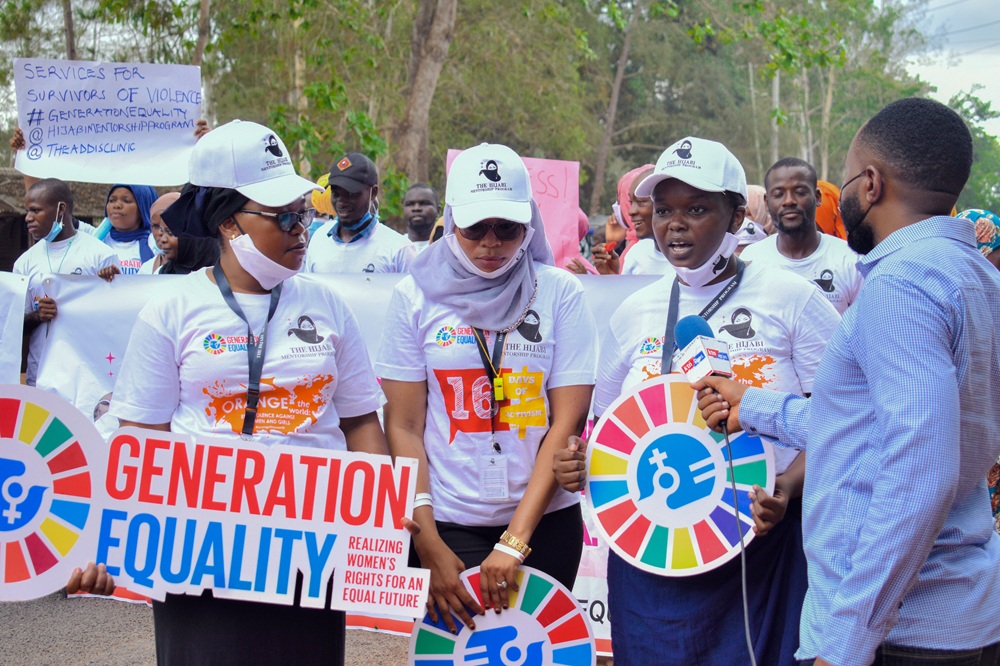
The Hijabi Mentorship Program was founded in response to the lived realities of girls and women navigating harmful cultural practices, gender-based violence, silence around Sexual and Reproductive Health and Rights (SRHR), and limited access to opportunity in underserved communities along Kenya’s Coast region.The word Hijabi, rooted in the Arabic word hijab, is often associated with protection, dignity, and identity. For us, it symbolizes a shield — a safe and empowering space where women and girls are protected, heard, supported, and equipped to thrive.What began in 2018 as a small mentorship initiative for girls and young women has since evolved into a multi-sectoral grassroots organization working across communities, institutions, and policy spaces to advance gender equality, survivor-centered advocacy, youth leadership, peacebuilding, and economic empowerment.Rooted in Kwale County and connected to broader national and regional movements for gender justice, our work is shaped by community trust, lived experience, and the belief that sustainable change must be locally grounded, inclusive, and led by the communities most affected.Today, THMP continues to create spaces where women and girls can heal, lead, access opportunities, influence systems, and shape the future of their communities.Our growth has been shaped by community trust, partnerships, and a commitment to building solutions that are grounded, inclusive, and sustainable.
Our Vision
A society that empowers women and girls, upholds and protects their fundamental rights and freedoms, and guarantees equal access to opportunities and resource development
Our Mission
To advance gender and social justice by preventing and mitigating rights violation and abuse for women and girls through equal access to opportunities and information
Core Values/Guiding Principles
Our work is rooted in and guided by the Charter of Feminist Principles for African Feminists. In our context feminism is about equality and equity for women in every field, socially, economically and politically.
Care is very essential to us, as it forms a major part of our work in the community and how we operate as a team. It means love, compassion and empathy. This means that for us to provide care to the outside, we need to be able to give it to one another. This wellness from collective care in turn trickles down to our work with the community.
We are committed to walking the talk and holding ourselves accountable to the people we work with and for. We rely on facts and strive for excellence in the work that we do. We expect effective and ethical community practices.
We believe that to achieve our goal, we need to have collective action .
We foster and promote diversity.
Our Approach
Our work is guided by principles that place girls and women at the centre:
Rights-based and survivor-centered
Faith- and culture-affirming
Community-led and locally accountable
Grounded in lived experience
Focused on systems change and sustainability
We translate policy into practice — and practice into policy.
GOVERNANCE & LEADERSHIP
Guided by accountability and ethical practice.
We are guided by a Board of Directors and a leadership team committed to accountability, safeguarding, and ethical practice.
SAFEGUARDING & ACCOUNTABILITY
Survivor safety is non-negotiable.
We are committed to safeguarding, ethical practice, and survivor safety. Our work is guided by clear policies on safeguarding, data protection, and accountability
