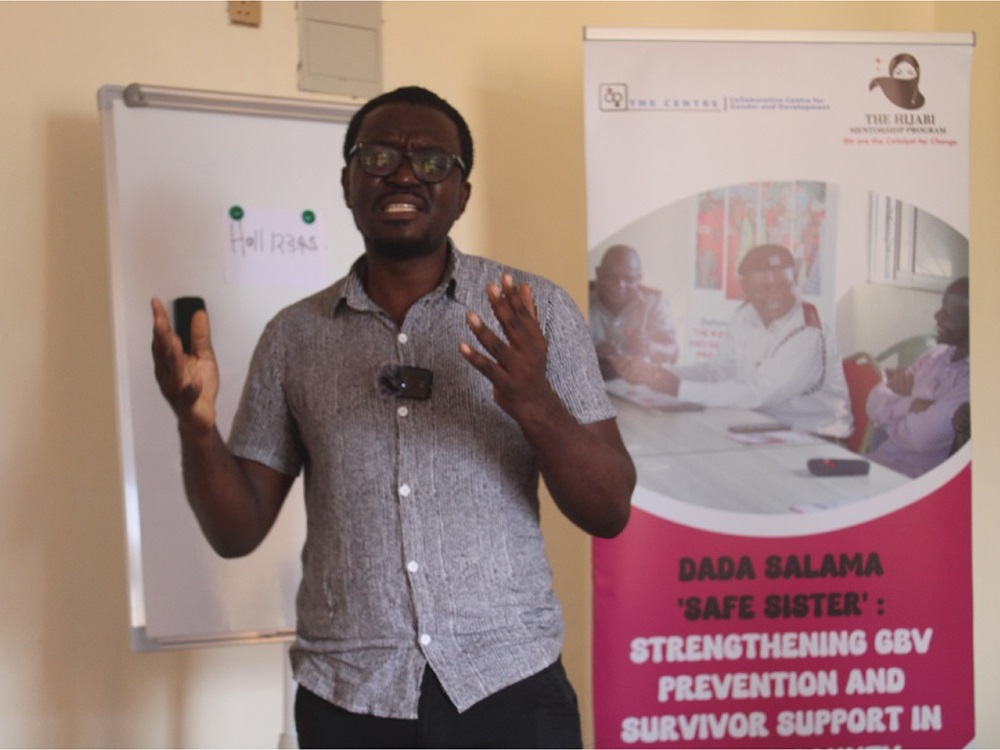
Dada Salama – Strengthening GBV Prevention and Survivor Support in Kwale County | Hijabi Mentorship Program
Dada Salama — "Safe Sister"
Strengthening GBV Prevention & Survivor Support in Kwale County | 2025 – Ongoing
A survivor-centered initiative implemented by the Hijabi Mentorship Program,
designed to strengthen gender-based violence prevention, survivor support systems, and
economic justice pathways for women and adolescent girls in Kwale County.
Designed in response to rising levels of GBV, economic vulnerability, teenage pregnancy, and exploitation affecting Adolescent Girls and Young Women (AGYWs), Dada Salama combines survivor-centered case management, psychosocial support, economic empowerment, advocacy, and community prevention strategies to strengthen protection and recovery pathways. The project specifically focuses on strengthening community-led systems that support survivors beyond emergency response — linking them to long-term healing, justice, financial inclusion, and reintegration opportunities.
MatugaShimba Hills
2
Target communities — Matuga and Shimba Hills
5+
Support pathways: psychosocial, legal, health, economic, and safe reporting
AGYWs
Primary focus on Adolescent Girls and Young Women
360°
Integrated model: protection, healing, advocacy, and economic empowerment
Key Milestones & Strategic Focus
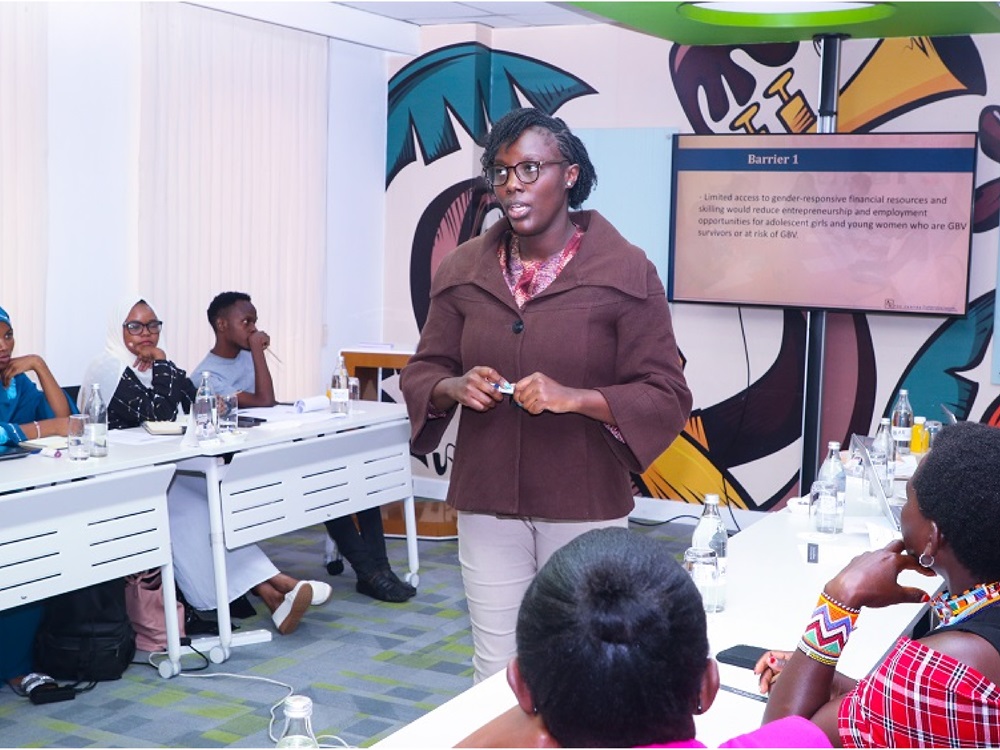
Establishing survivor-centered identification and referral systems through THMP's grassroots networks, community mobilizers, and GBV technical working groups to strengthen access to psychosocial support, legal aid, health services, safe reporting pathways, and economic empowerment opportunities.
Strengthening case management and survivor follow-up systems using structured safeguarding and monitoring tools to track survivor progress, identify urgent protection concerns, and improve coordination of support services.
Facilitating linkages to financial institutions, savings and credit groups, business mentors, and market access opportunities to support long-term economic resilience and recovery for survivors.
Supporting survivors with emergency and recovery-focused assistance, including counseling and psychosocial care, transport to courts, hospitals, and police stations, legal support and documentation follow-up, medication and urgent welfare support, and temporary emergency assistance where safety concerns exist.
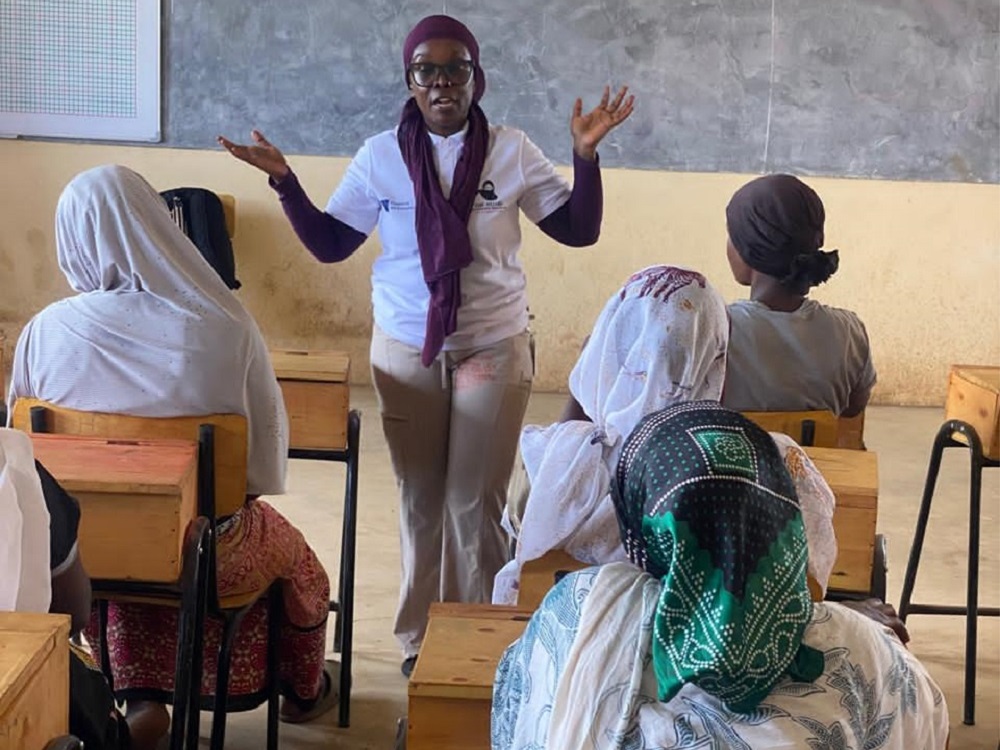
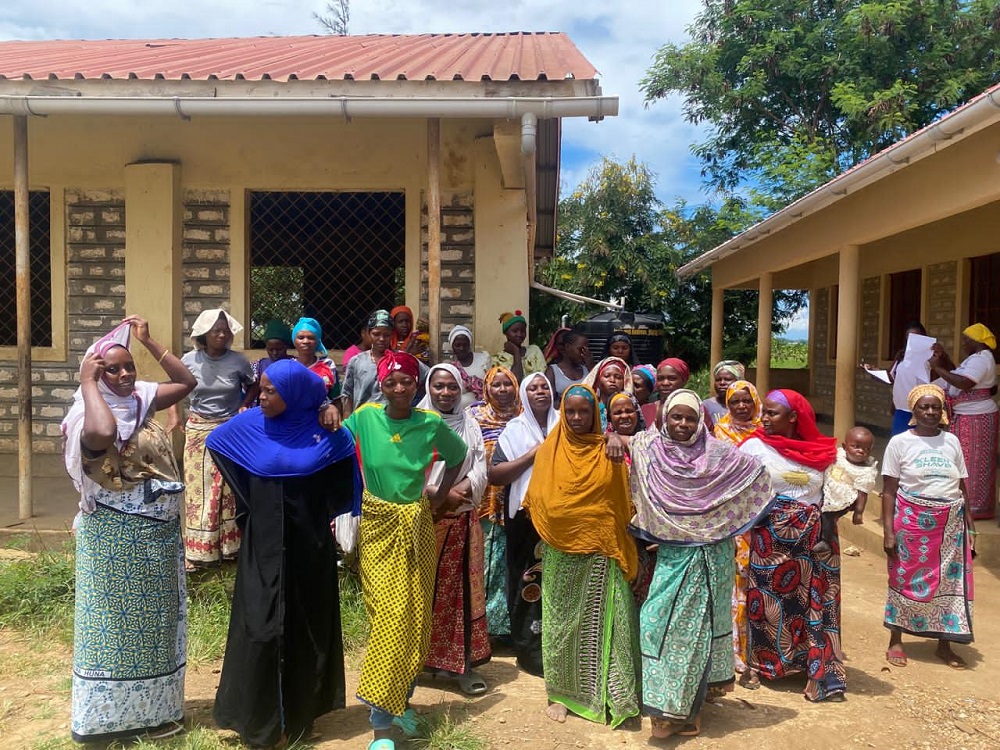
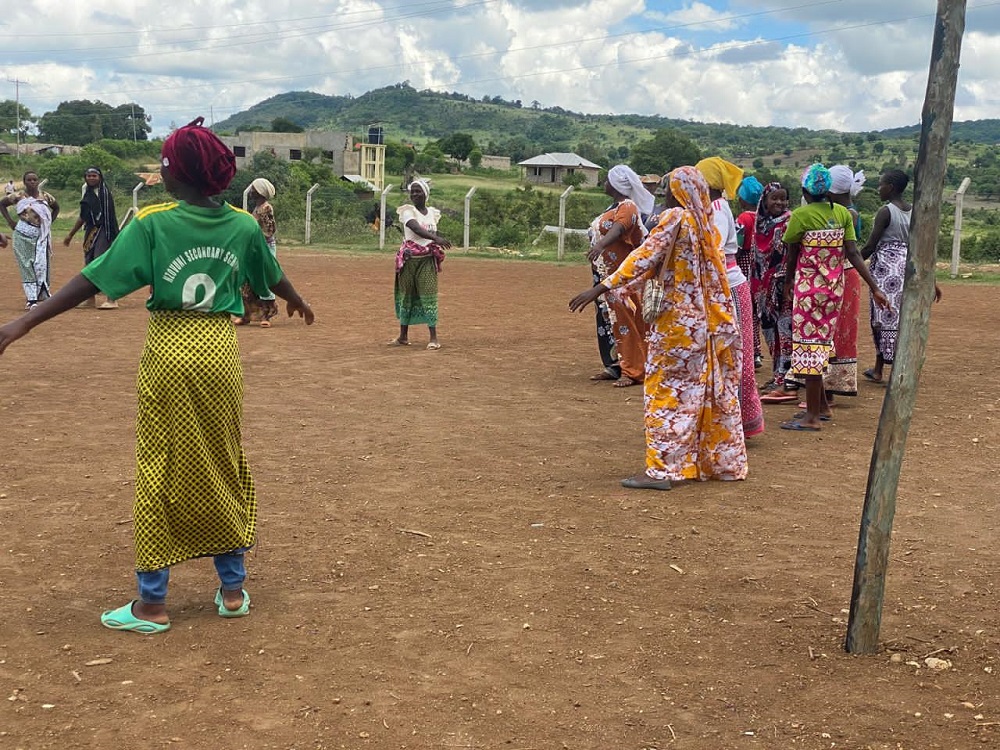
Establishing peer mentorship circles and safe spaces for AGYWs and survivors to strengthen emotional healing, peer support, leadership and confidence-building, and survivor reintegration and empowerment.
Conducting community advocacy and awareness campaigns through radio campaigns, digital dialogues, community forums, and survivor-centered storytelling to challenge harmful gender norms, reduce stigma, and promote awareness of survivor rights and protection mechanisms.
Designing and distributing community education toolkits and awareness materials focused on types of GBV, safe reporting mechanisms, survivor rights, and available support and referral services.
Engaging religious leaders, cultural leaders, community administrators, parents, and youth in dialogues aimed at strengthening community accountability and reducing stigma surrounding GBV reporting and survivor support.
Advancing integrated approaches that connect GBV prevention with economic justice, financial independence, mental health support, and community reintegration — recognizing the intersection between economic vulnerability and exposure to violence.
Strategic Contribution
Dada Salama is strengthening community-based GBV prevention and survivor support systems in Kwale County by combining protection, healing, advocacy, and economic empowerment within one integrated model. The initiative recognizes that sustainable recovery for survivors requires more than emergency response — it requires long-term pathways to dignity, safety, economic resilience, and community reintegration.