Nikumbuke Women Soccer Initiative | Hijabi Mentorship Program
Nikumbuke Women Soccer Initiative
Community-Based Women's Empowerment Through Sport | 2022 – Ongoing
Implemented by the Hijabi Mentorship Program in Matuga Sub-county, Kwale County.
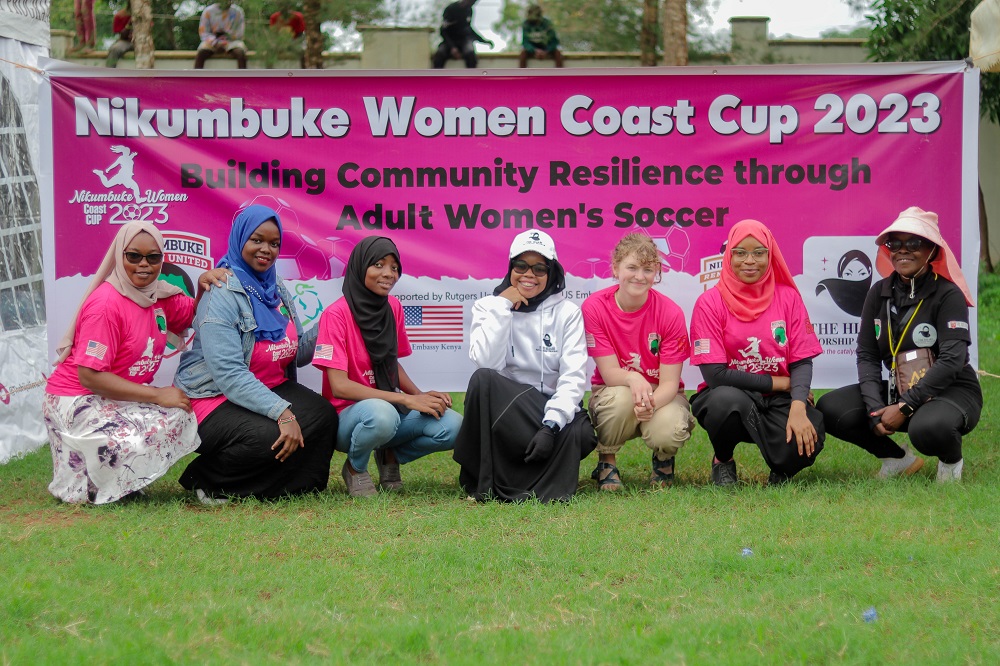
Initially launched in 2022 through support from the United States Embassy in Nairobi
and Rutgers University under a two-year community resilience and women's leadership program.
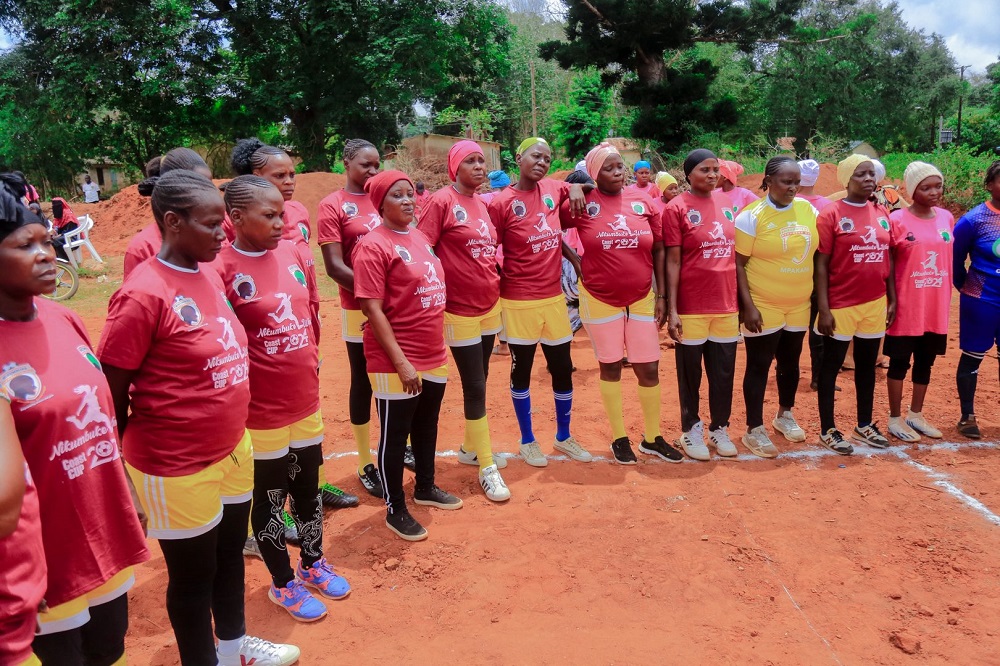
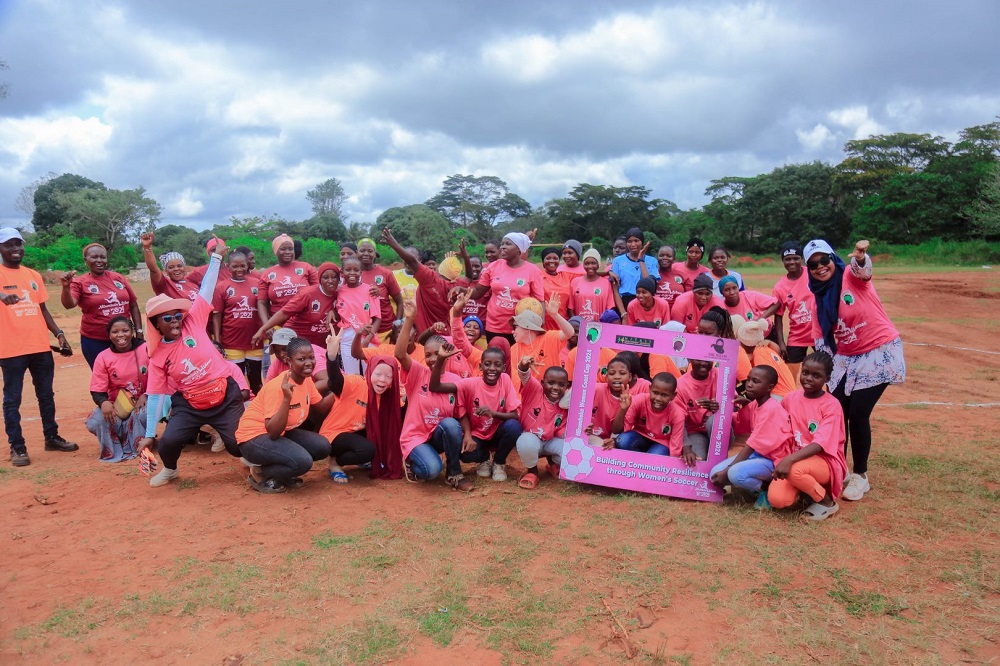
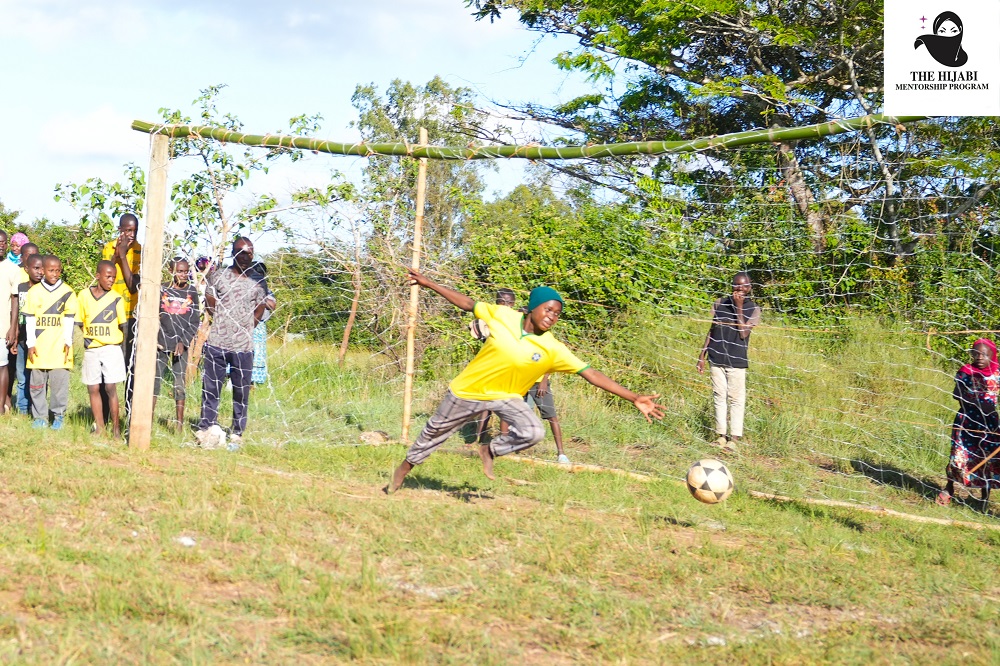
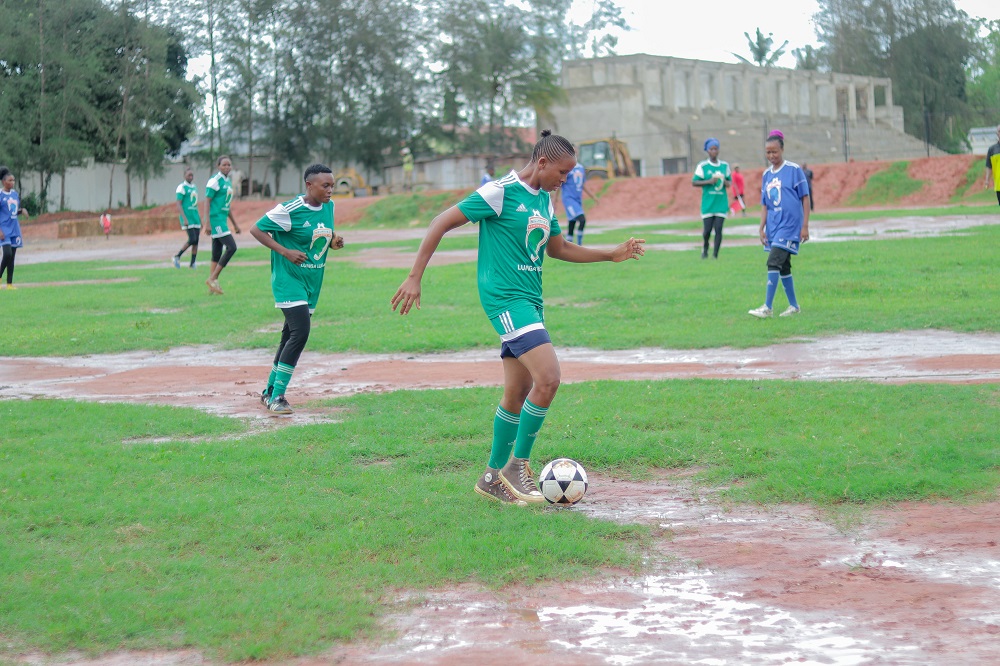
Nikumbuke uses adult women's football as a platform for psychosocial healing, community resilience, women's leadership, gender equality advocacy, and social cohesion. What began as a pilot with 3 teams and 66 women in Lunga Lunga has since evolved into a growing grassroots movement reaching 176 rural women across six villages and eight active teams by 2025 — responding to the social isolation, economic exclusion, psychosocial stress, and restrictive gender norms that persistently affect rural women in coastal Kenya.
ZiwaniChinariniVugaGodoniTsimbaMbuguni
176
Rural women engaged across 6 villages and 8 active teams
21
Psychosocial support group sessions conducted
27
GBV survivors linked to the Jasiri economic empowerment program
18
Community First Aiders trained and equipped
Key Milestones & Strategic Focus
Expanded from 3 villages and 66 women in 2022 to 8 active teams across 6 villages engaging 176 women in 2026, including participants from Ziwani, Chinarini, Vuga, Godoni, Tsimba, and Mbuguni.
Established 2 new teams in Tsimba and Mbuguni in 2025, adding 44 new participants and expanding the geographic reach and community ownership of the initiative.
Integrated sports, psychosocial support, and economic empowerment through group healing sessions, peer support structures, survivor referrals, and leadership development activities to create a holistic model of women's empowerment.
Conducted 21 psychosocial support group sessions across six villages, creating safe spaces for women to discuss emotional wellbeing, gender-based violence, isolation and stress, and community challenges. Facilitated 15 one-on-one counseling referrals for women disclosing intimate partner violence, trauma, or emotional distress.
Identified and linked 27 GBV survivors to the Jasiri Program for financial literacy, small business support, entrepreneurship mentorship, and market linkages — strengthening pathways toward long-term economic resilience.
Democratically selected and trained 18 Community First Aiders, equipping them with first aid kits to strengthen safety, preparedness, and community trust during all activities.
Organized inter-village matches and friendly tournaments to promote social cohesion, women's visibility in public spaces, grassroots leadership, and peacebuilding and collective participation.
Strengthened male allyship and community support, with increasing participation of men through match attendance, shared caregiving support during games, and public support for women's participation and leadership.
Integrated culturally sensitive SRHR and GBV awareness discussions into sports and team reflection sessions, strengthening access to information and referral pathways for underserved women.
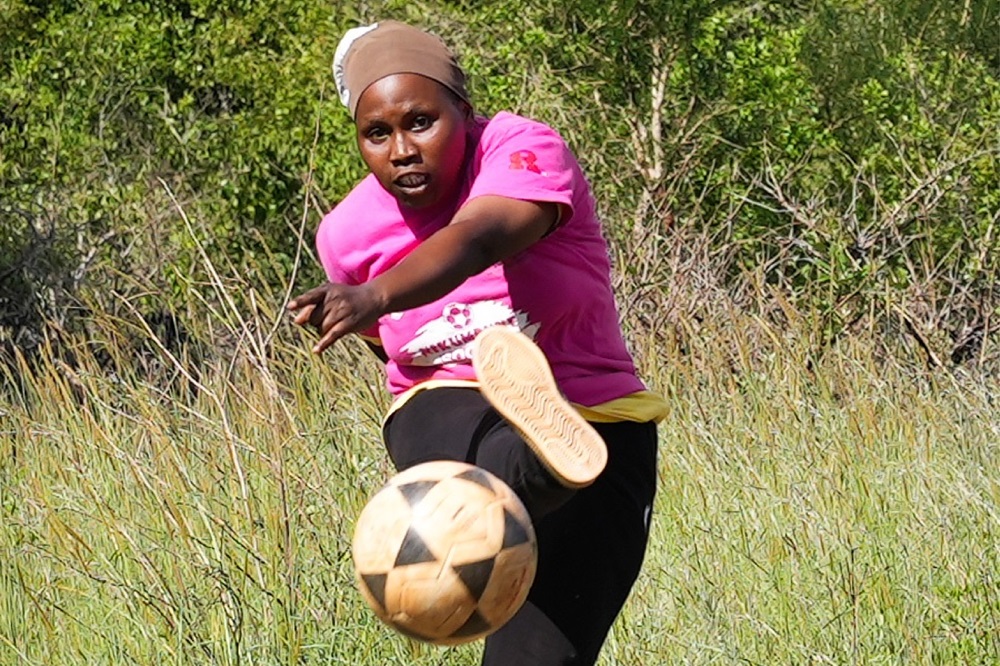
Contributed to shifting harmful stereotypes around women and sport by demonstrating that football can be a culturally grounded tool for leadership, healing, gender equality, community dialogue, and women's visibility and participation.
Strategic Contribution
Nikumbuke has transformed community football into a platform for healing, leadership, economic empowerment, and social change for rural women in coastal Kenya. By combining sports with psychosocial support, survivor-centered referrals, and economic empowerment pathways, the initiative is challenging harmful gender norms, strengthening community solidarity, and creating safe spaces where women can reclaim visibility, dignity, confidence, and collective power. The initiative also demonstrates how culturally grounded, community-led sports programming can contribute meaningfully to gender equality, peacebuilding, and women's economic resilience in underserved settings.
Supported By
United States Embassy in NairobiRutgers University