Supported by the United States Agency for International Development (USAID),
in collaboration with the Young African Leaders Initiative Regional Leadership Center East Africa
and Kenyatta University, the Hijabi Mentorship Program implemented SHOP to increase access to
comprehensive Sexual and Reproductive Health and Rights (SRHR) information and services for
Adolescent Girls and Young Women (AGYWs) in Kwale County.
SHOP combined grassroots mobilization, safe spaces, media engagement, advocacy, and systems strengthening to advance SRHR awareness as a human right while building stronger community accountability and youth leadership around health and gender justice.
2,100+
Individuals directly reached
250K+
Radio listeners reached
200+
Key actors trained
400
SRHR educational posters distributed
Key Milestones
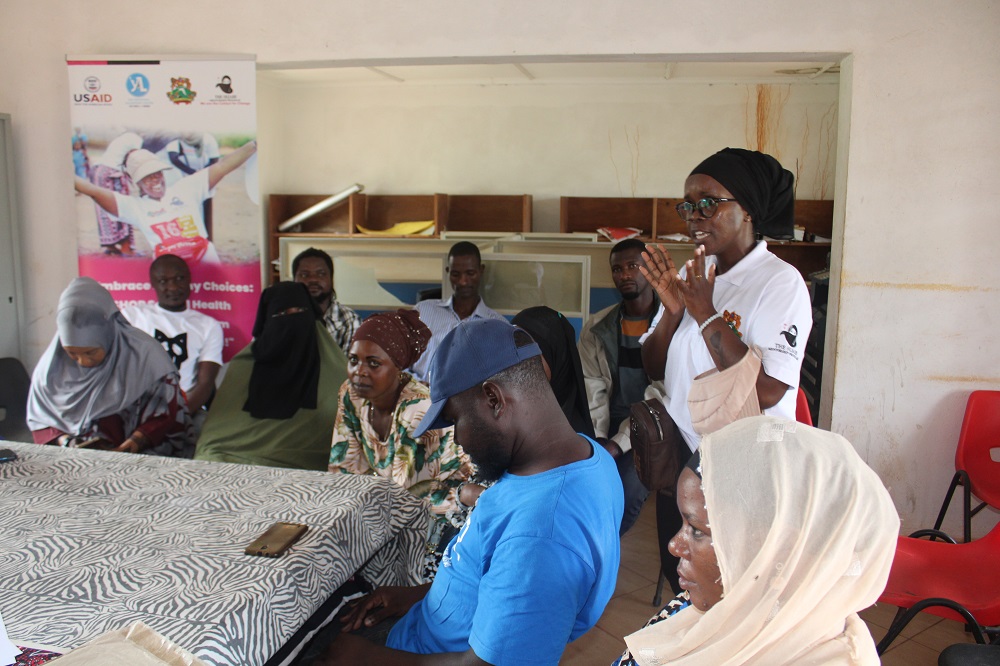
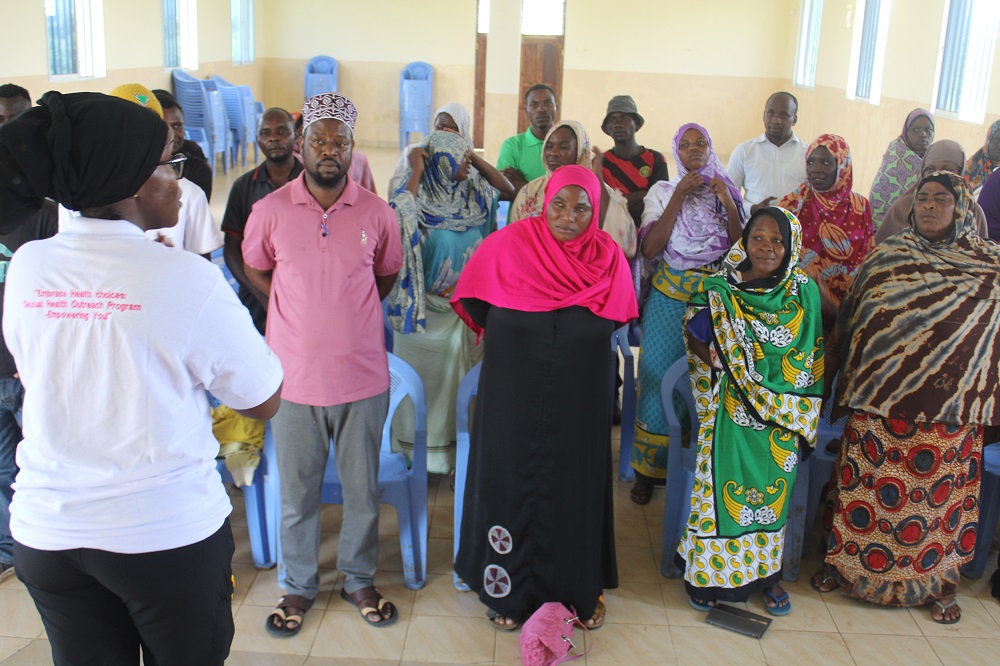
Directly reached over 2,100 individuals through trainings, dialogues, debates, safe spaces, and advocacy engagements across Kwale County.
Reached an estimated 250,000 listeners through radio advocacy sessions on Radio Kaya, Jay FM, and Swahili Pot FM, discussing youth-friendly services, consent, mental health, disability inclusion, GBV, and adolescent SRHR.
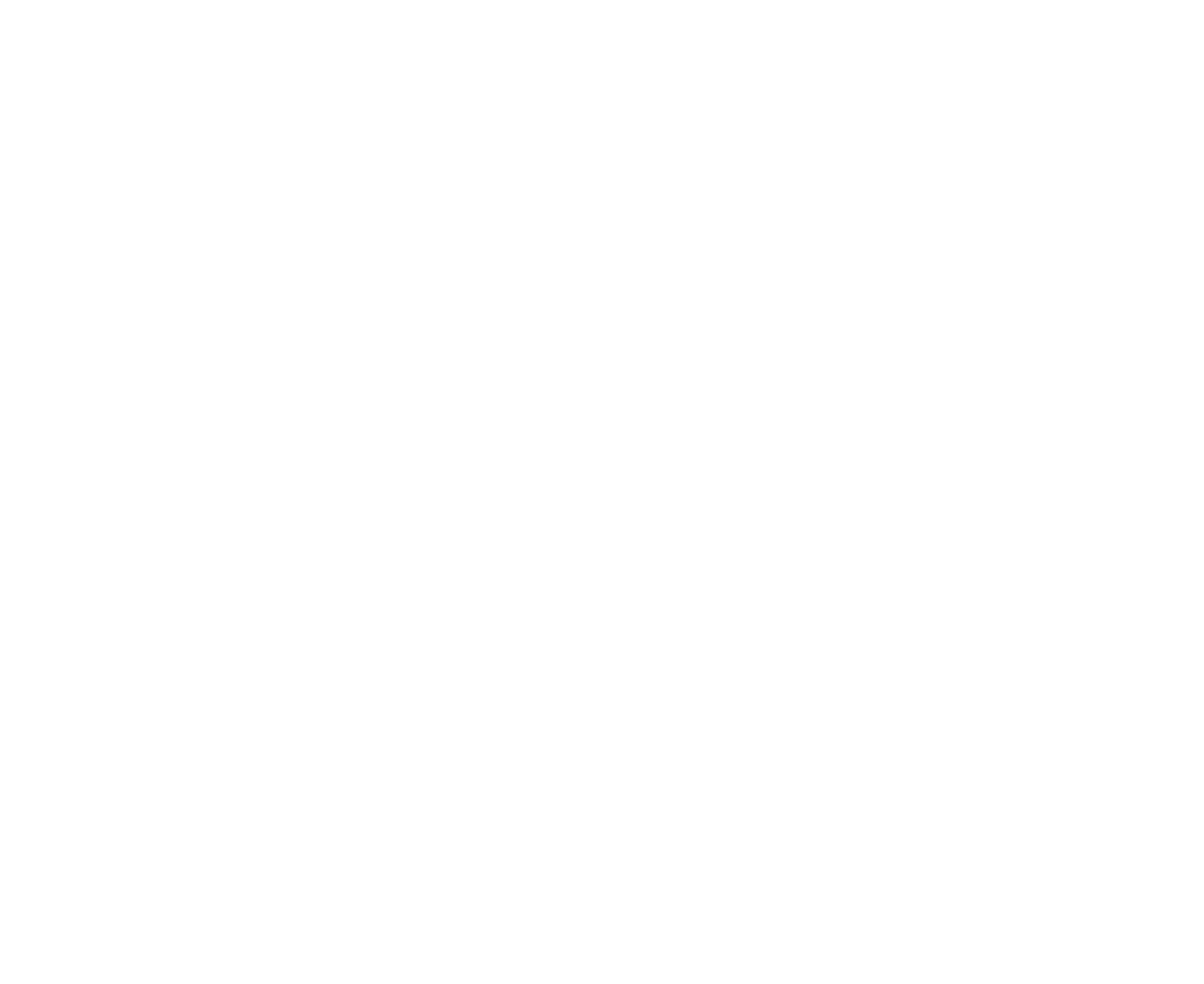
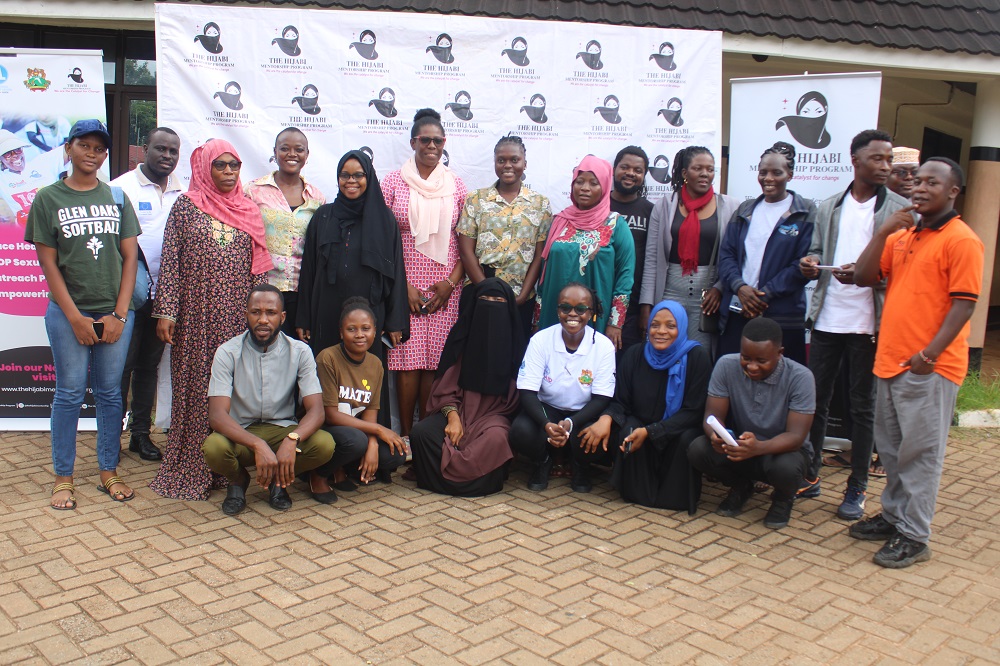
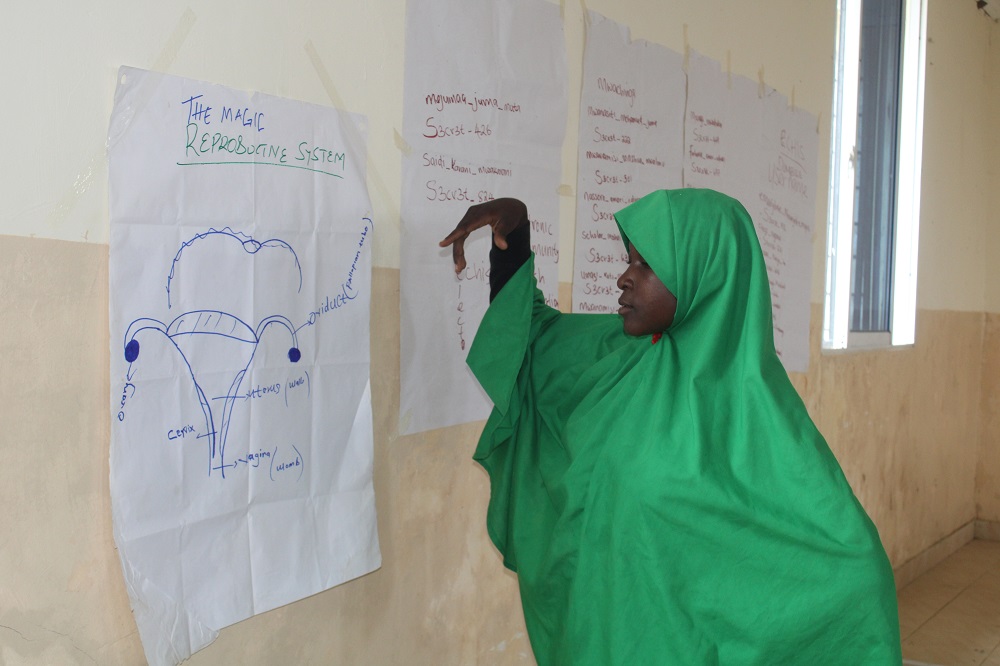
Trained over 200 key actors, including 40 health workers, 40 journalists, 40 peer counselors, and 40 community-based women activists on youth-sensitive SRHR, GBV response, consent, referral pathways, and inclusive advocacy approaches.
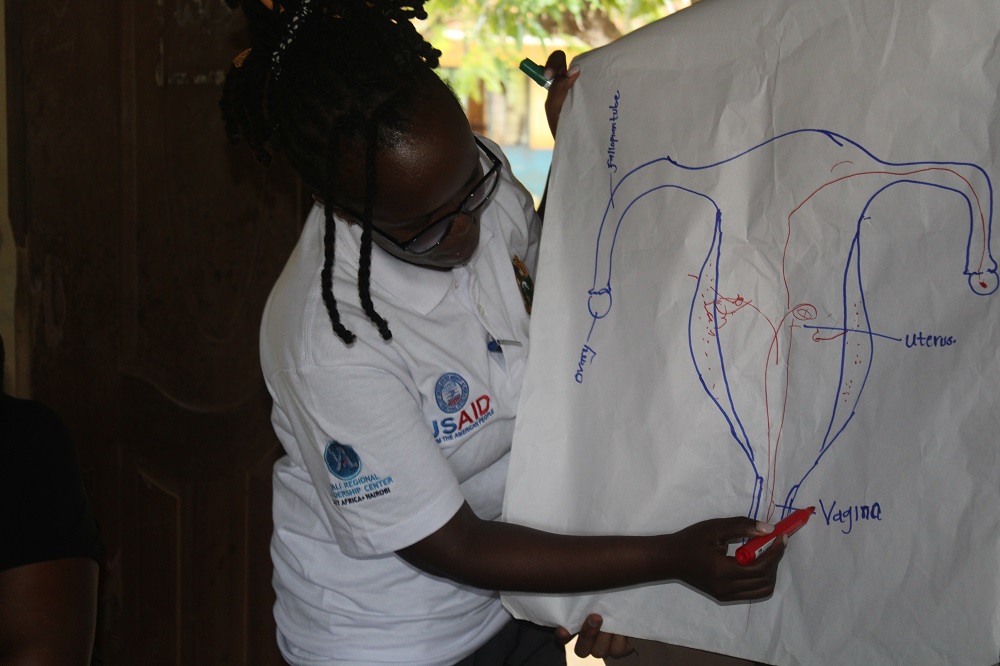
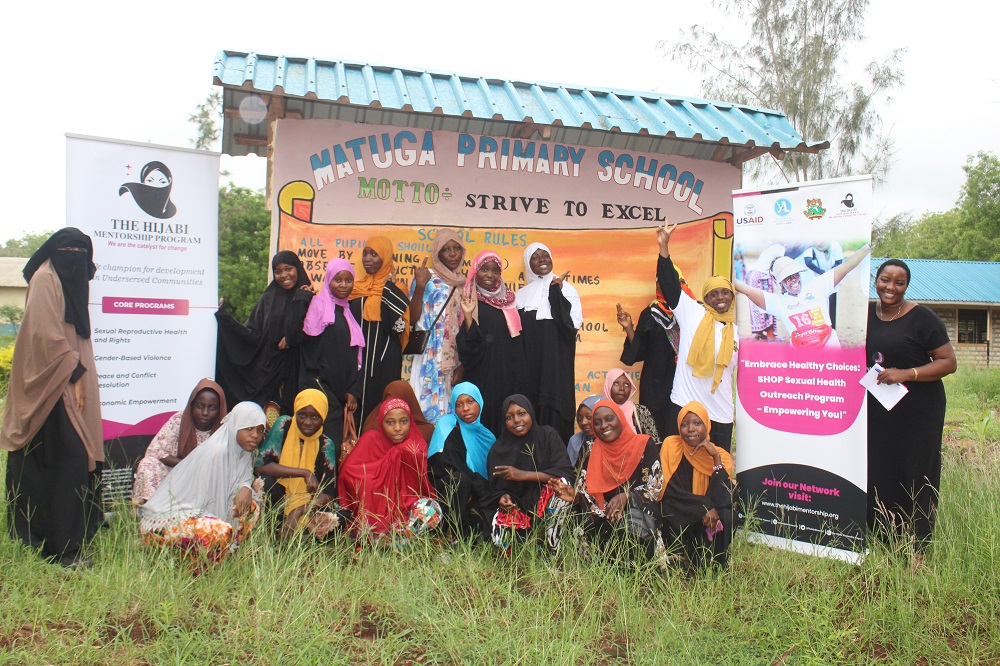
Facilitated 8 AGYW safe spaces and 8 community dialogues, creating trusted environments for conversations around contraception, consent, STIs, mental health, and gender norms.
Conducted 4 school-based debate forums, engaging approximately 1,420 students in discussions on gender equality, bodily autonomy, reproductive rights, and civic engagement.
Convened 4 high-level advocacy forums involving government officials, women leaders, journalists, and community actors to discuss SRHR policy gaps, youth-friendly services, and resource allocation.
Developed and implemented a communications strategy, Monitoring & Evaluation framework, Sustainability plan, and Branding and advocacy tools to strengthen long-term institutional capacity and continuity.
Distributed 400 SRHR educational posters across schools, health facilities, markets, and public spaces to normalize SRHR conversations and improve access to information.
Strengthened partnerships with local media, county health actors, and youth-focused stakeholders to improve public discourse and institutional responsiveness around adolescent SRHR.
Mainstreamed disability inclusion, youth participation, and survivor-centered approaches throughout implementation, ensuring marginalized voices were represented in advocacy and service discussions.
Strategic Contribution
SHOP contributed to strengthening youth-centered SRHR advocacy in Kwale County by increasing political consciousness around SRHR as a human right, improving community dialogue, strengthening local capacity, and empowering young people, media actors, and frontline providers to advance more inclusive and accountable health systems.