Implemented by the Hijabi Mentorship Program in Kwale County, funded by the
European Union through the KIOS Foundation under the
Haki Ni Yetu (HnY) consortium.
This initiative strengthens grassroots participation, survivor-centered advocacy, legal literacy, and institutional accountability in the implementation of the Kwale County SGBV Act, 2023. By combining legal literacy, media advocacy, public participation, survivor-centered approaches, and institutional strengthening, the project bridges the gap between policy and the lived realities of women and girls in underserved communities.
Kwale County
2023
Kwale County SGBV Protection Act being implemented
5+
Stakeholder groups engaged across sectors
4
Advocacy pillars: legal literacy, media, participation, and MEL
EU
Funded through KIOS Foundation / Haki Ni Yetu consortium
Key Milestones & Strategic Focus
Strengthening community legal literacy on the Kwale County SGBV Act through community awareness forums, simplified legal materials, and translation of legal information into accessible formats and local languages to improve public understanding of rights, protections, and accountability mechanisms.
Advancing survivor-centered and trauma-informed advocacy approaches that promote:
Confidential reporting pathways
Psychosocial support referrals
Legal literacy for survivors
Community accountability and protection mechanisms
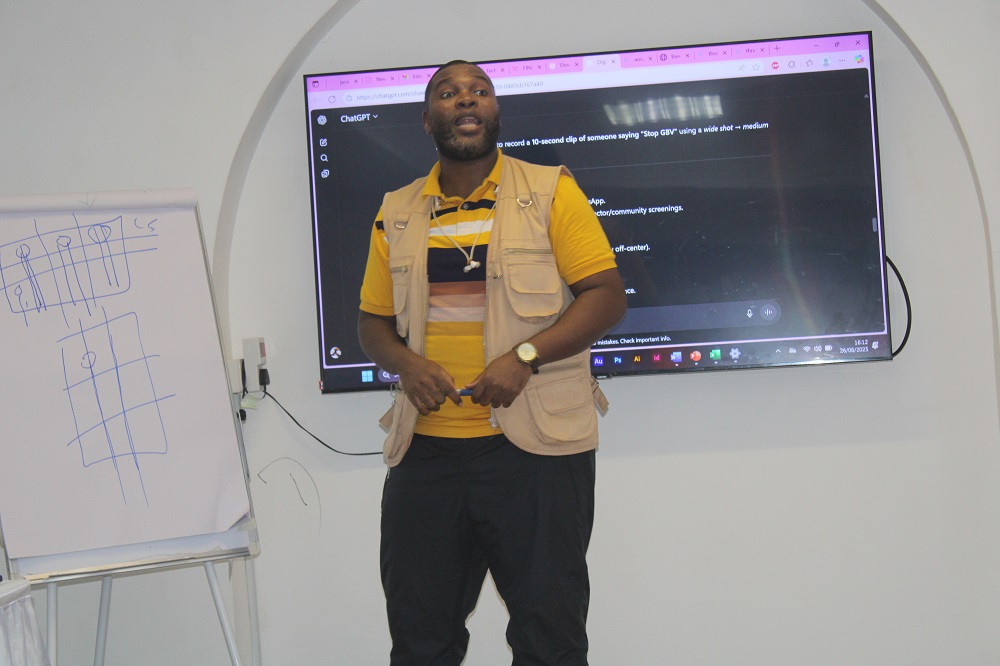
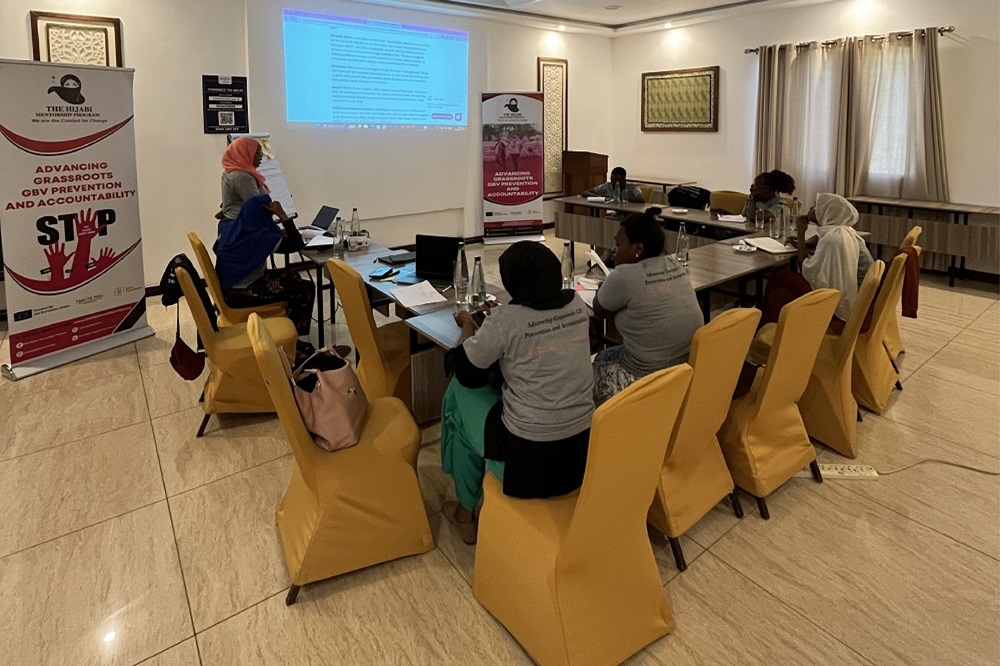
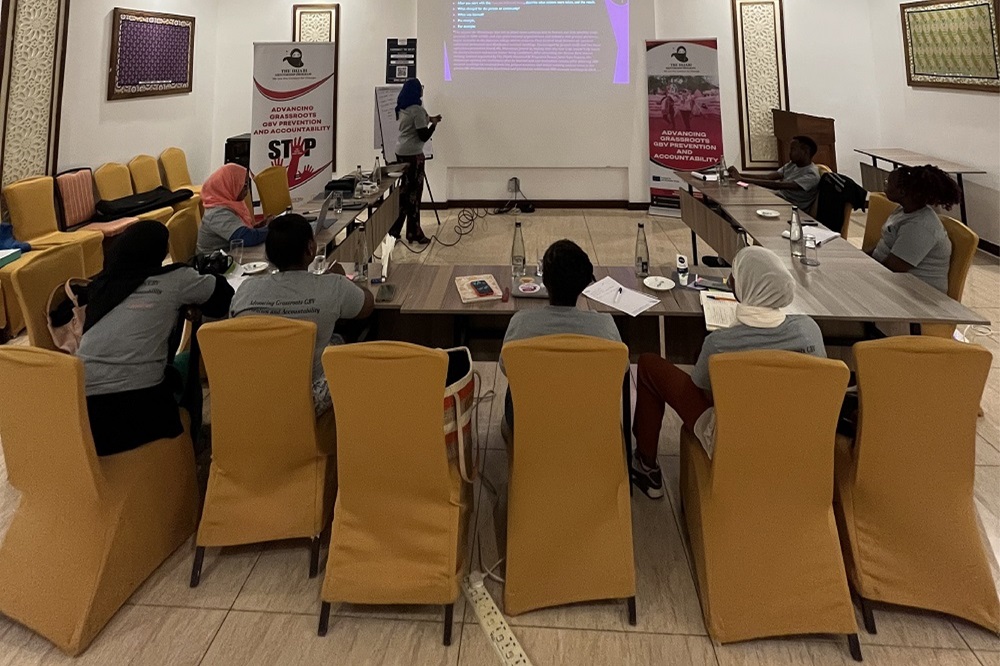
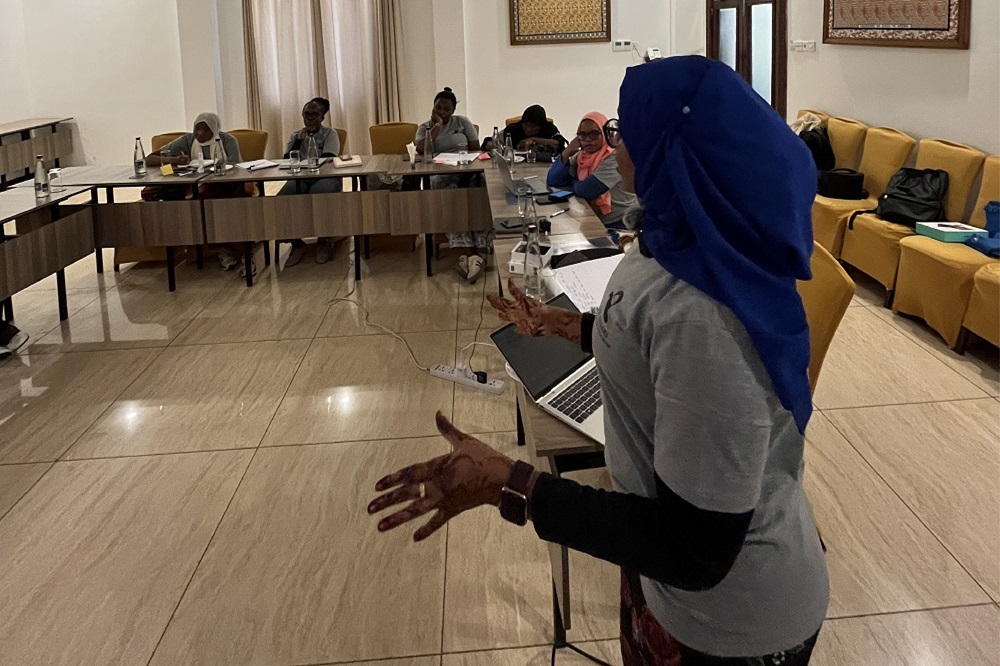
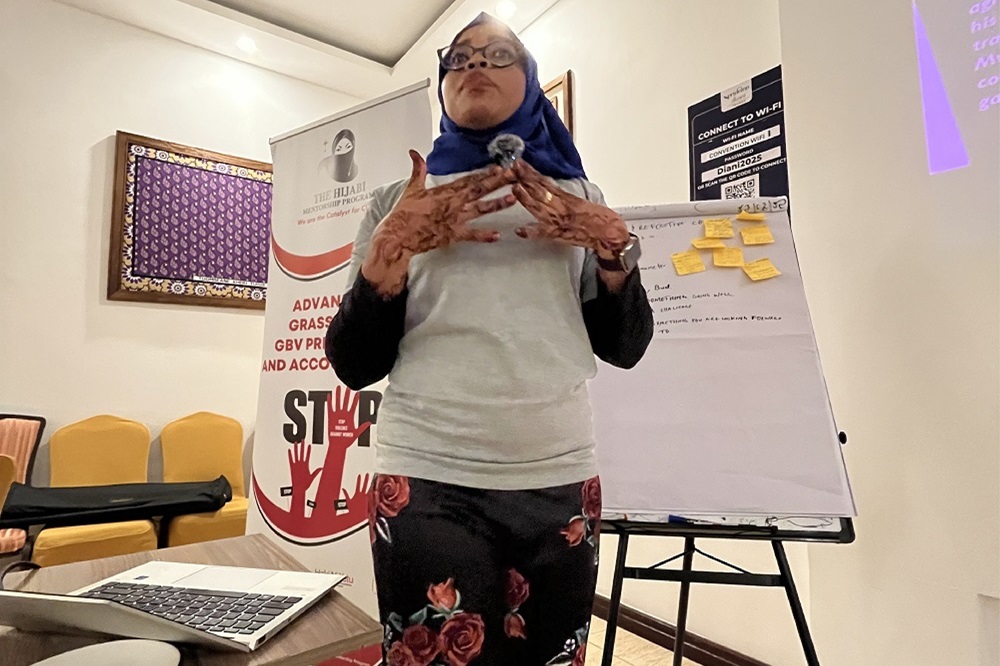
Strengthening the capacity of grassroots activists, community leaders, duty-bearers, healthcare workers, and law enforcement officers through gender-sensitive training on GBV response, policy implementation, survivor-centered approaches, and accountability systems.
Implementing the Gender Equality Champions Academy (GECA) as a platform for training youth leaders, grassroots advocates, and community mobilizers on gender equality, human rights, GBV prevention, public participation and advocacy, and survivor-centered response mechanisms.
Facilitating multi-stakeholder policy dialogues bringing together county government officials, civil society organizations, survivors and community representatives, media actors, and duty-bearers to strengthen coordination and accountability around GBV prevention and response systems.
Promoting public participation and budget advocacy to strengthen community engagement in county governance processes, GBV resource allocation, and advocacy for shelters and survivor-centered services.
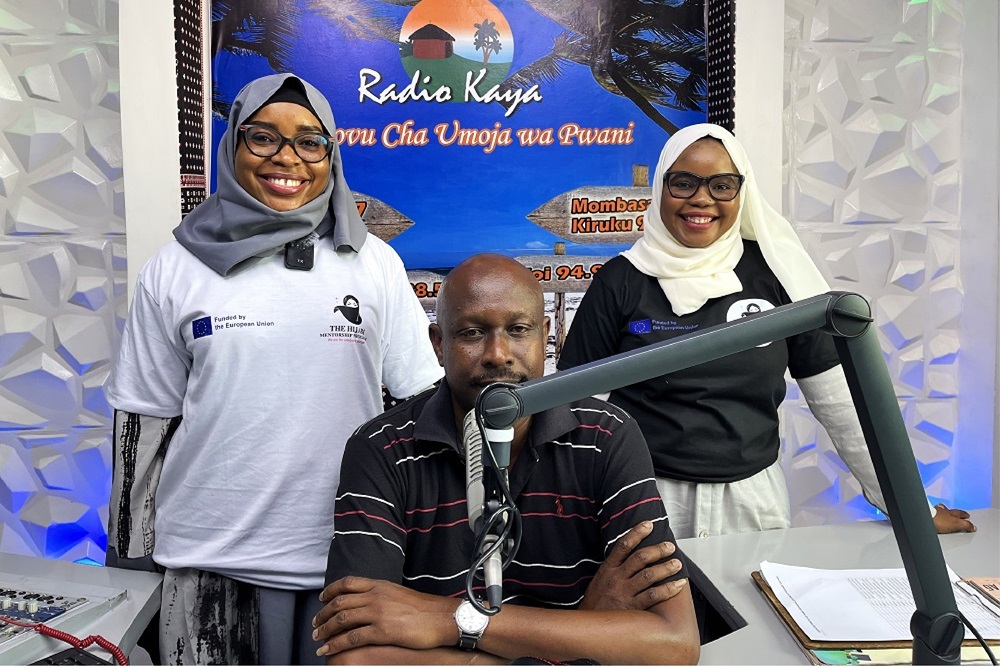
Expanding media and digital advocacy through radio discussions, storytelling campaigns, IEC materials, and community-centered communications to increase public awareness and amplify grassroots voices on GBV accountability.
Strengthening THMP's institutional systems through investments in Monitoring, Evaluation and Learning (MEL), staff training on trauma-informed and human rights-based approaches, data collection and accountability systems, and organizational governance and documentation tools.
Advancing disability-inclusive and intersectional advocacy approaches to ensure women, youth, survivors, and persons with disabilities are meaningfully included in governance and GBV response processes.
Strategic Contribution
This initiative is contributing to stronger grassroots accountability systems in Kwale County by empowering communities to understand, monitor, and advocate for implementation of the Kwale County SGBV Act. By combining legal literacy, survivor-centered support, public participation, and institutional engagement, the project seeks to strengthen long-term community ownership, improve policy enforcement, and advance more responsive and accountable GBV prevention systems.
Funded & Supported By
European UnionKIOS FoundationHaki Ni Yetu (HnY) Consortium