Indiana University x SHOP Curriculum Partnership (2023–2024)
Indiana University x SHOP Curriculum Partnership
2023 – 2024
A partnership between the Hijabi Mentorship Program and
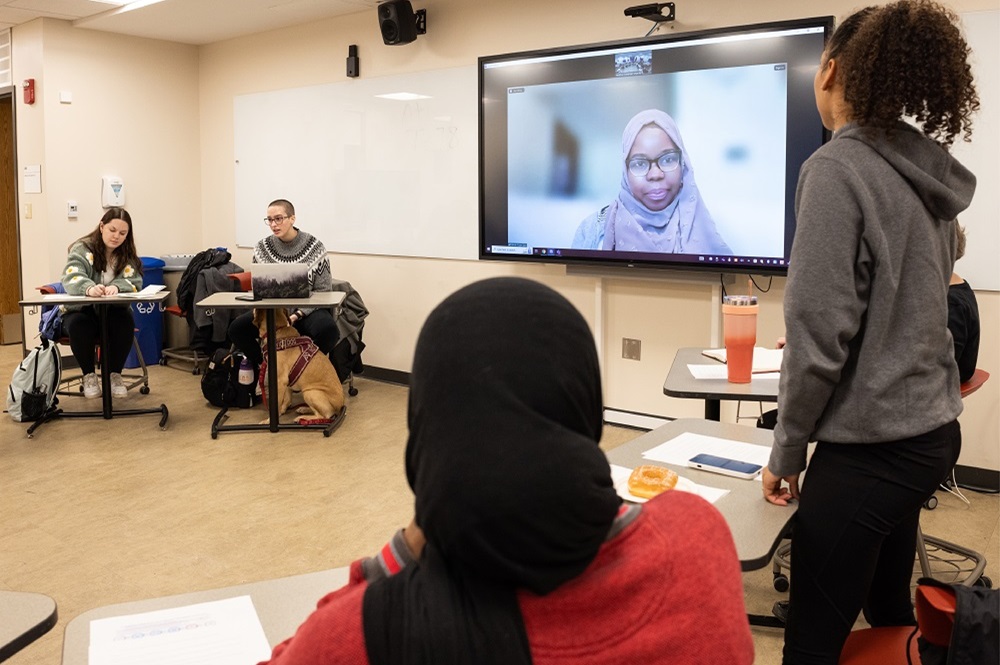
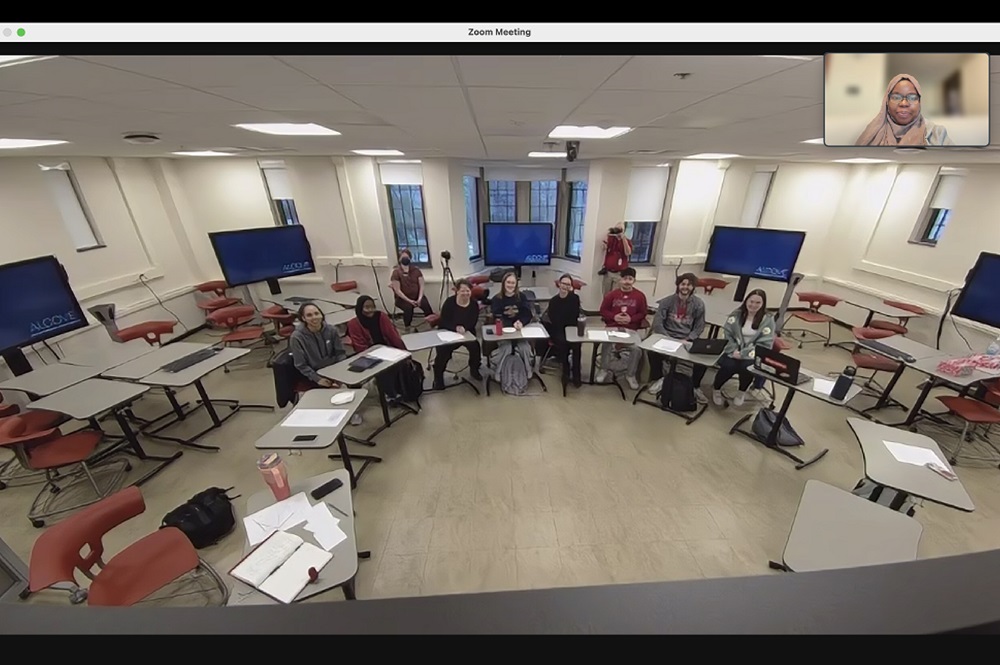
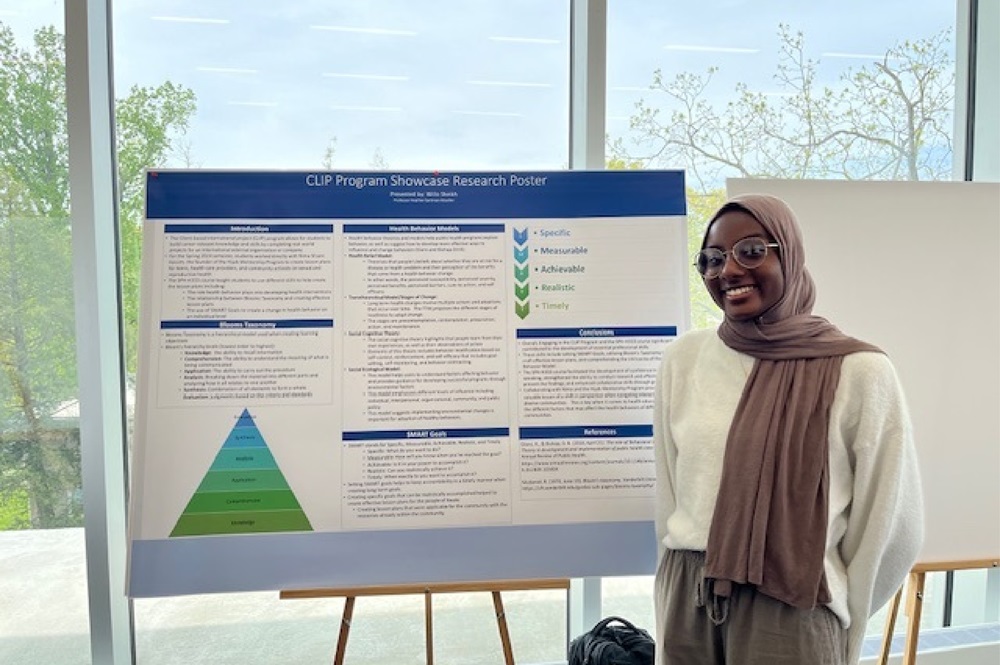
Indiana University Bloomington through the Client-Based International Projects (CLIP) Program,
Department of Applied Health Science, to strengthen the design and delivery of the Sexual Health Outreach Project (SHOP)
in Kwale County.
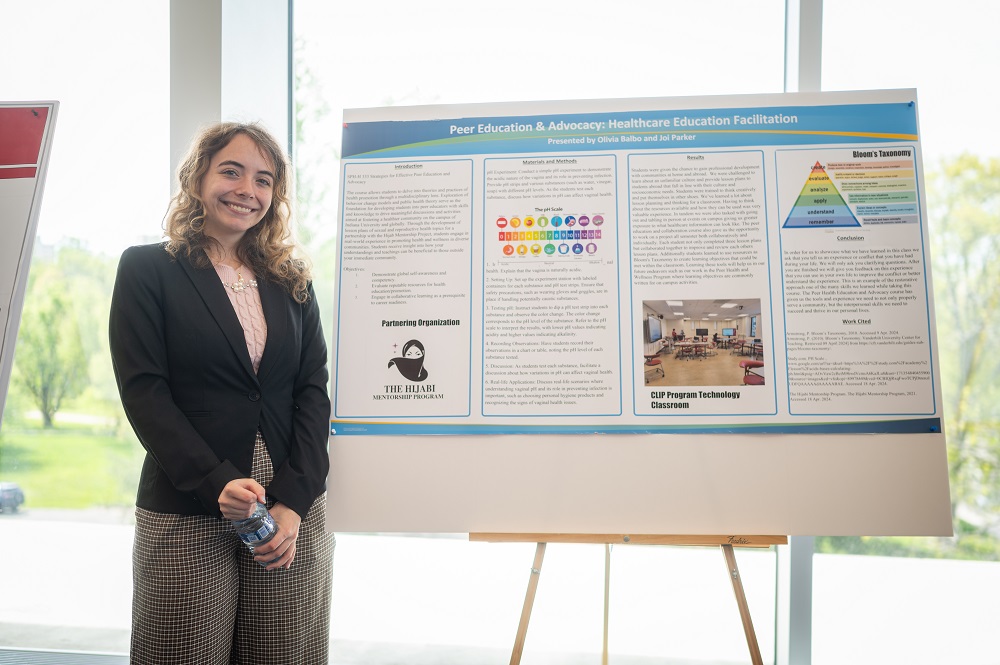
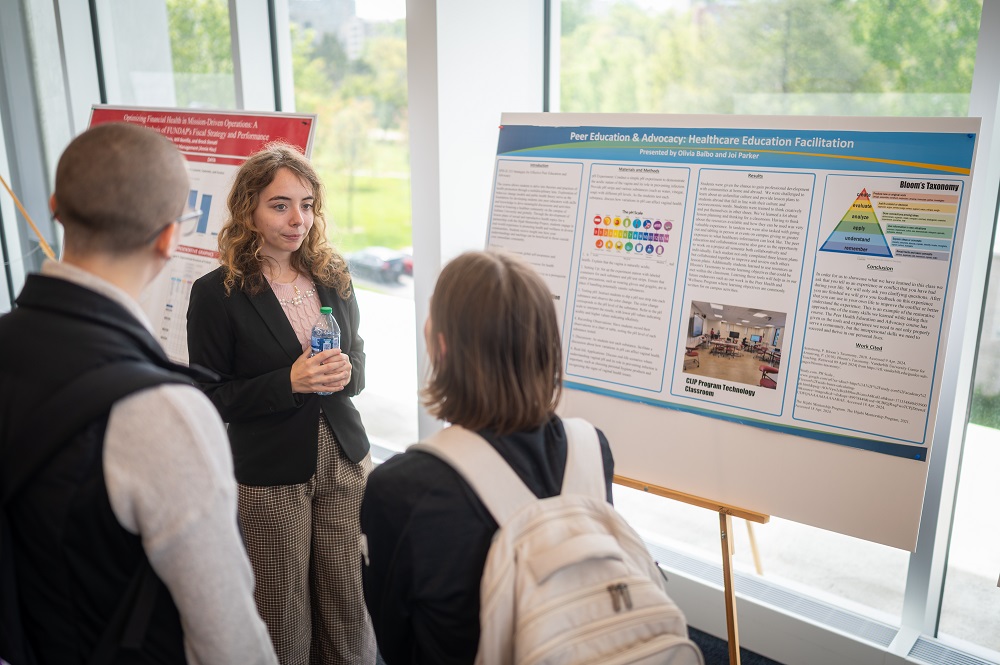
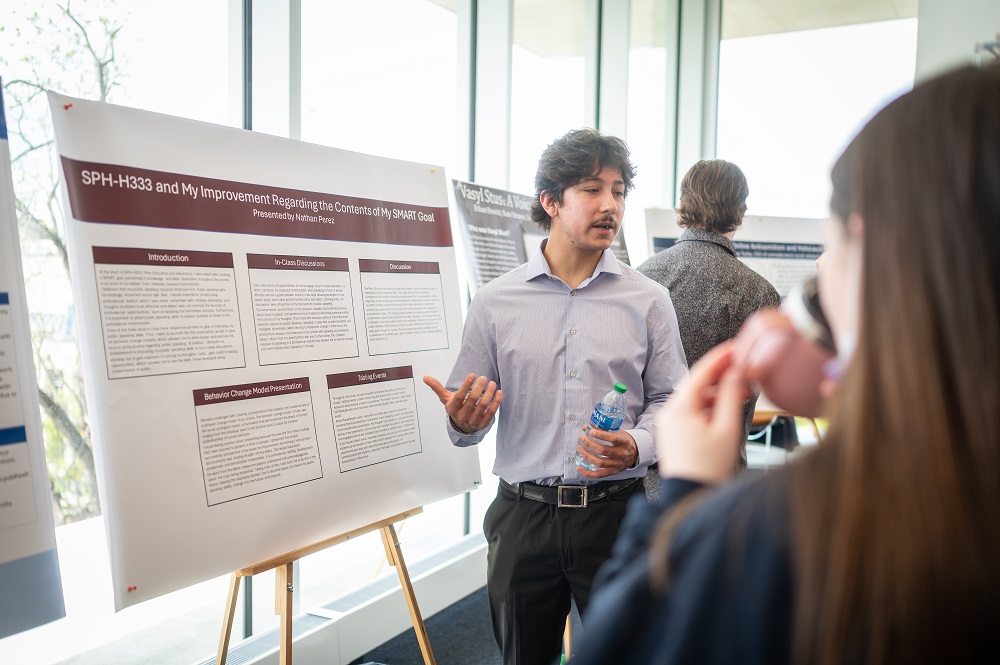
The collaboration brought together THMP, Professor Heather Eastman-Mueller, and university students to support the development of a culturally responsive, rights-based SRHR curriculum tailored to underserved communities in Kwale County. The partnership focused on advancing sexual and reproductive health as a human right while strengthening community-based advocacy approaches that are context-sensitive, youth-centered, and sustainable.
1
International academic partnership
3
Audience groups for curriculum (providers, peer counselors, activists)
CLIP
Client-Based International Projects Program
Kwale
Curriculum designed for Kwale County communities
Key Milestones
Analyzed community needs assessment findings from the pilot SHOP initiative to better understand cultural factors influencing SRHR conversations and service uptake in Kwale County.
Co-developed a comprehensive SRHR curriculum using a train-the-trainer model tailored for healthcare providers, peer counselors in schools, and community activists and adult learners.
Produced structured lesson plans incorporating clear learning objectives, interactive activities, community-centered facilitation tools, and sustainability and evaluation frameworks.
Adapted SRHR messaging to local realities by integrating cultural context, accessibility considerations, and community-informed approaches into the curriculum design process.
Strengthened THMP’s institutional capacity in curriculum development, advocacy strategy, and evidence-informed programming through ongoing collaboration and technical exchange with Indiana University faculty and students.
Developed practical and low-resource learning tools that could be implemented in rural and underserved settings without dependence on advanced technology, ensuring accessibility and long-term usability.
Expanded conversations around sexuality and consent, contraception and STI prevention, equity and responsibility in relationships, and youth-friendly SRHR communication through evidence-based and culturally grounded educational materials.
Strengthened THMP’s global partnerships and cross-cultural learning networks, building on previous collaborations with Indiana University around leadership, policy review, and organizational development.
Strategic Contribution
This collaboration strengthened THMP’s ability to deliver context-responsive SRHR education and advocacy by combining grassroots community knowledge with global academic partnership and technical expertise. It also contributed to the development of sustainable learning tools that continue to support peer education, youth engagement, and rights-based SRHR conversations within underserved communities in Kwale County.
Key Partners
Indiana University BloomingtonDepartment of Applied Health ScienceCLIP Program