I Thought My Life Was Over — Until I Was Believed”
How Survivor-Centered Support Is Restoring Hope and Justice in Kwale County
For many survivors of gender-based violence in rural communities, the journey toward healing and justice is often shaped by silence, fear, stigma, and pressure to remain unseen. In many cases, violence is treated as a private matter to be resolved within families and communities, leaving survivors isolated and without the support they need.
This reality continues to affect many girls and women across Kwale County. But through survivor-centered initiatives like Dada Salama (“Safe Sisters”), implemented by The Hijabi Mentorship Program (THMP) with support from the Collaborative Centre for Gender and Development (CCGD), more survivors are beginning to access coordinated care, psychosocial support, and pathways to justice rooted in dignity and protection.
In September 2025, a 16-year-old survivor from Shimba Hills,herein referred to as Asnatha to protect her identity, was referred to THMP through the local administration following an incident of sexual violence perpetrated by a close family member.
At the time of the referral, Asnatha was overwhelmed by fear and uncertainty. Beyond the trauma she had experienced, she also faced pressure from within the community to remain silent and resolve the matter informally, a challenge that continues to undermine survivor protection and accountability in many rural contexts.
Everything began to shift when she was connected to THMP.
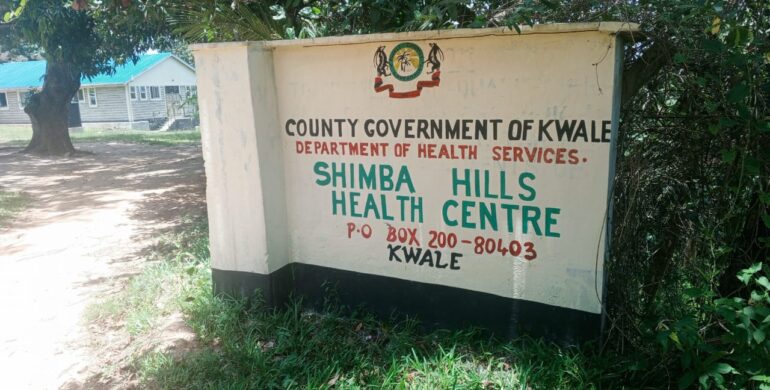
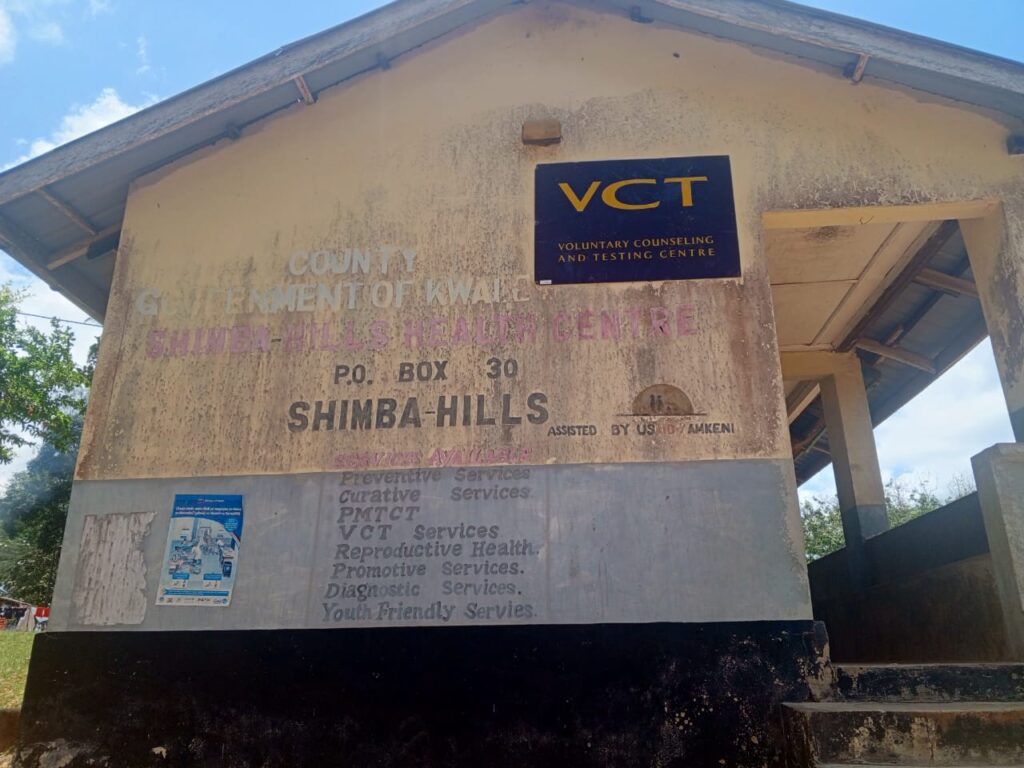
From the very first interaction, the response focused not only on the legal dimensions of the case, but also on her emotional safety, dignity, and wellbeing. THMP supported her to access immediate medical care at Shimba Hills Hospital, where trained healthcare providers conducted examinations in line with ethical and trauma-informed standards.
Recognizing the long-term emotional impact of sexual violence, THMP also linked her to ongoing psychosocial counselling services to support her healing journey.
“For the first time since the incident, I felt safe. I felt believed,” Asnatha shared.
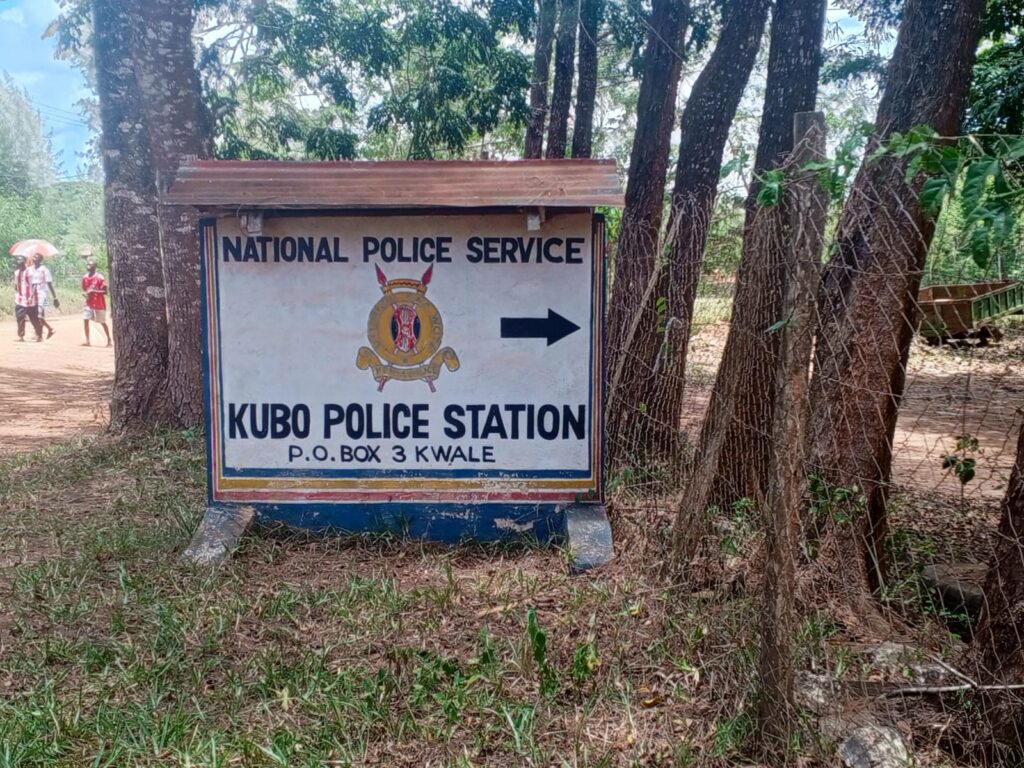
The support extended beyond healthcare. Through coordinated engagement with the Probation Office and Msambweni Law Courts, THMP helped ensure the case was properly documented and followed through formal legal channels. Throughout the process, survivor consent, confidentiality, and emotional wellbeing remained central.
Over the following months, Asnatha began showing visible progress in emotional recovery, confidence, and reintegration into daily life. While healing remains an ongoing process, she continues to receive follow-up support and counselling through the Dada Salama initiative.
“I once believed my life was over. Today, I know that I am protected, supported, and worthy of justice.”
Her story reflects the importance of survivor-centered systems that go beyond emergency response to provide continued care, coordination, and accountability.
Beyond supporting individual survivors, Dada Salama is also helping strengthen referral pathways and institutional coordination between health facilities, justice actors, administrators, and community leaders across Kwale County. By investing in collaboration, ethical case management, and psychosocial support, the initiative is contributing to a more responsive and accountable GBV support system at the grassroots level.
As communities continue challenging stigma and harmful norms around violence, stories like Asnatha’s remind us that healing becomes possible when survivors are listened to, protected, and supported with dignity.
Through Dada Salama (“Safe Sisters”), THMP continues to stand with survivors, not only in moments of crisis, but throughout the long journey toward healing, justice, and hope.
