Through the Nikumbuke Soccer Initiative, women across Kwale County are reclaiming their confidence, voices, and leadership. In this powerful story, 41-year-old Biasha Mwalaulo shares her journey from trauma to triumph , and how football became a pathway to healing, empowerment, and community transformation.
KICKING BEYOND LIMITS: HOW FOOTBALL SPARKED HEALING & LEADERSHIP
As told by Biasha Mwalaulo
When 41-year-old widow and mother of four, Biasha Mwalaulo, returned to her home village of Vuga in 2022, she carried more than luggage, she carried emotional scars, physical exhaustion, and years of trauma from her time as a domestic worker in Saudi Arabia. She felt drained, lost, and unsure where she fit anymore. Though she had always loved sports, life had never given her the chance to explore that passion, much less lead others through it.
One afternoon, while running errands with friends, she overheard them discussing a local women’s football club. The initiative , run by The Hijabi Mentorship Program (THMP), created safe spaces where women could play football, share experiences, heal, and support each other. Her curiosity was sparked. Days later, she walked into the THMP office to learn more.
That visit changed her life.
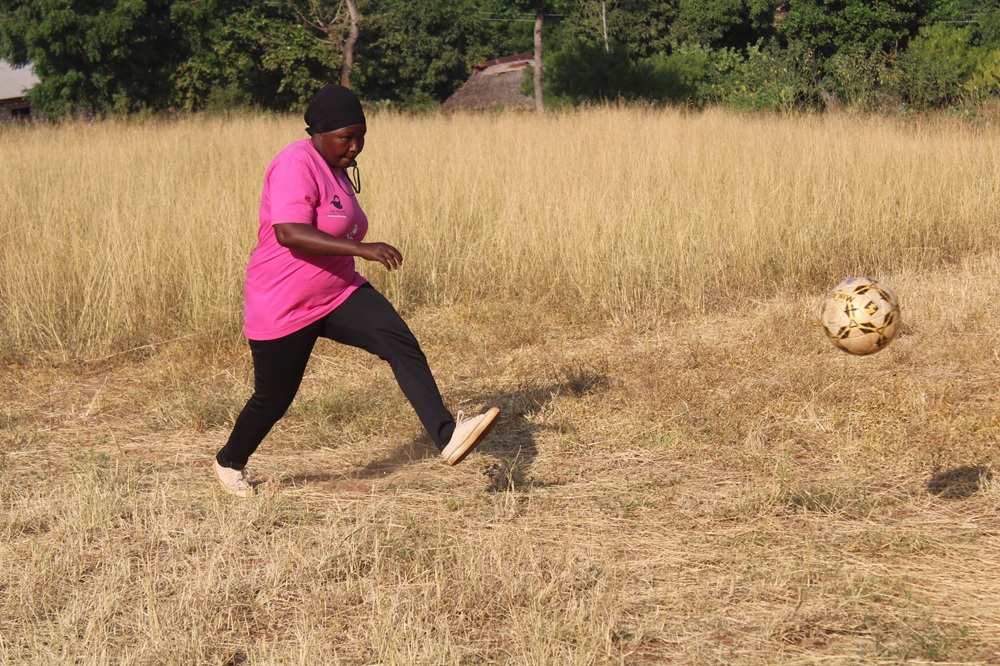
She was introduced to the Nikumbuke Soccer Initiative, a program designed not only to promote women’s participation in sports but also to strengthen community resilience. Through football, women improved their physical health, built social bonds, and opened conversations about gender-based violence and women’s rights.
For Biasha, football became more than a game, it became a lifeline.
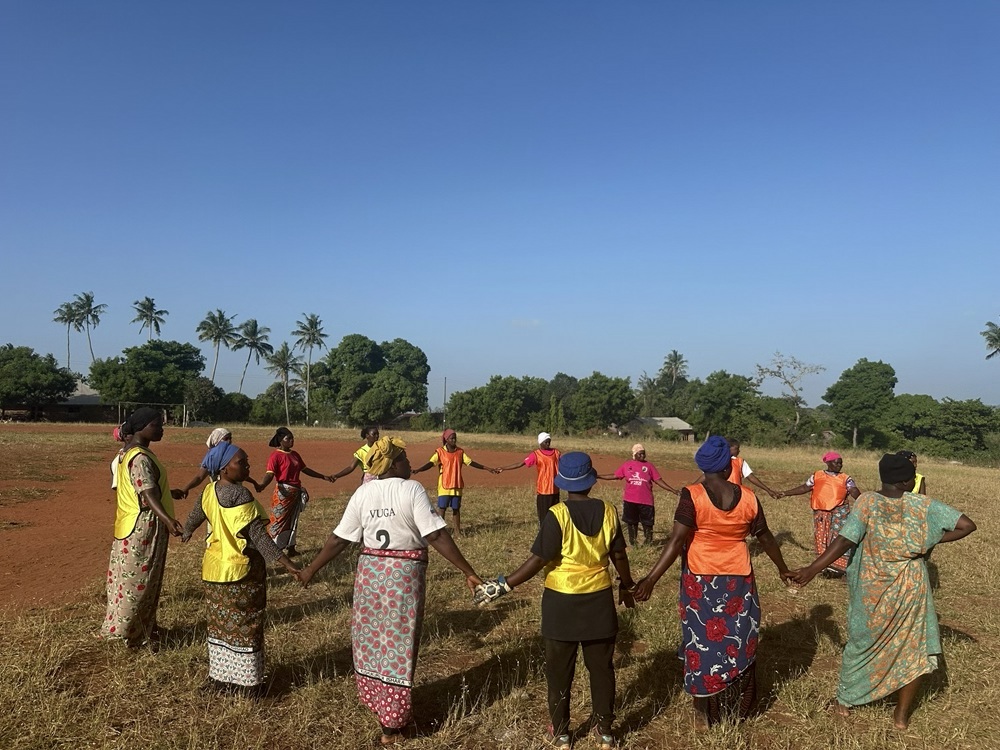
She joined the Nikumbuke Women’s Team in Vuga, and for the first time in years, she felt a sense of belonging. The training sessions, team bonding, and mentorship from THMP slowly rebuilt her confidence and helped her reconnect with herself.
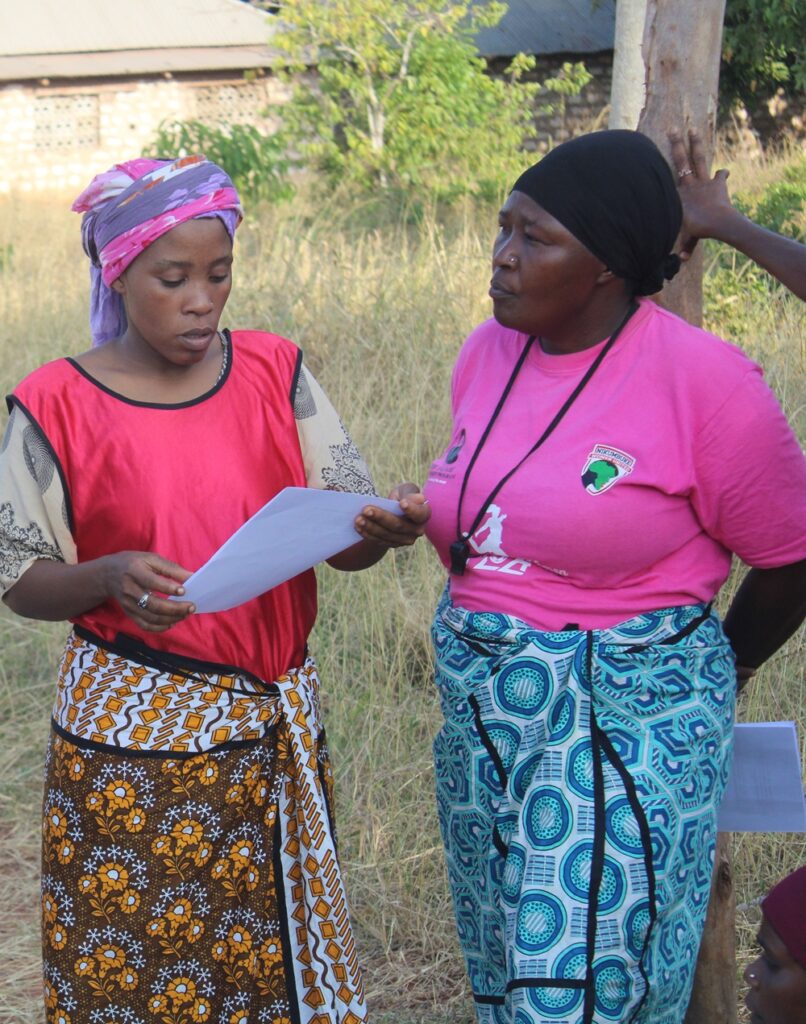
In 2023, she attended a seminar in Lunga Lunga, where she was trained in coaching, refereeing, and first aid. While she appreciated all three, she felt especially drawn to coaching and supporting players medically, a passion that set her on a new journey.
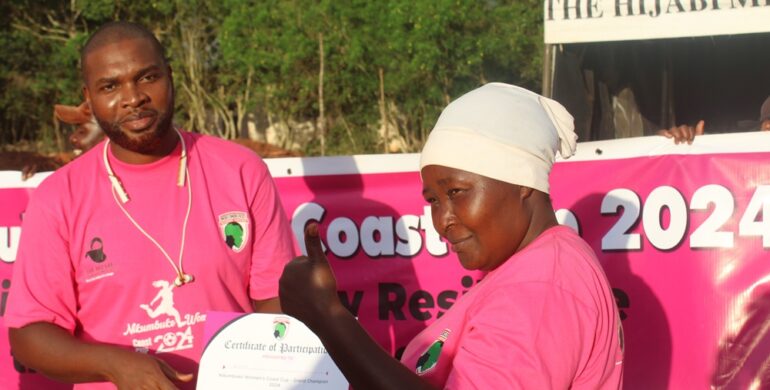
By 2024, Biasha transitioned from player to team mentor and coach, officially leading the Vuga women’s team. Under her leadership, the team grew stronger and more disciplined. Their dedication paid off when they won a trophy at the Nikumbuke Women’s Tournament, competing against teams from Lunga Lunga, Migori, and across Kwale County. Their victory attracted new players eager to join, inspired by the transformation they witnessed.
By early 2025, Biasha’s influence extended beyond Vuga. She began mentoring new women’s teams in Tsimba and Mbuguni, supporting a total of 66 women across three village teams, a clear reflection of the trust and leadership she had earned.
Yet her journey was not without challenges.
“Some of my community members discouraged me when I started playing,” she recalls. “They said I was being used because I wasn’t paid, or that a woman’s place is at home — not on the football pitch. But I stayed focused. I wanted to prove that women can lead, play, and inspire.”
Despite receiving basic training, one of her biggest aspirations is to gain formal certification in coaching and first aid, qualifications that would empower her to expand her work even further.
Today, Biasha is more than a coach. She is a role model, a community leader, and a symbol of transformation. She encourages women to believe in themselves, balance family and recreation, and pursue their passions without fear.
“Football gave me strength and a voice. Now I want every woman in Kwale to know,we can kick beyond limits.”
Biasha’s story reflects the heart of THMP’s mission, to create safe and empowering spaces where women can heal, grow, and lead. Through mentorship, sports, psychosocial support, and community-driven initiatives, we are building a generation of women who rise above limitations and inspire change.
